
Wall insulation in Wichita Falls TX - filled walls and rooms that stay comfortable
Outside walls that feel cold in winter and warm all summer? We fill the hollow spaces so those rooms finally hold steady.
- Fully licensed and insured.
- Free in-person estimates.
- Replies within 1 business day.
How do you insulate walls that are already finished?
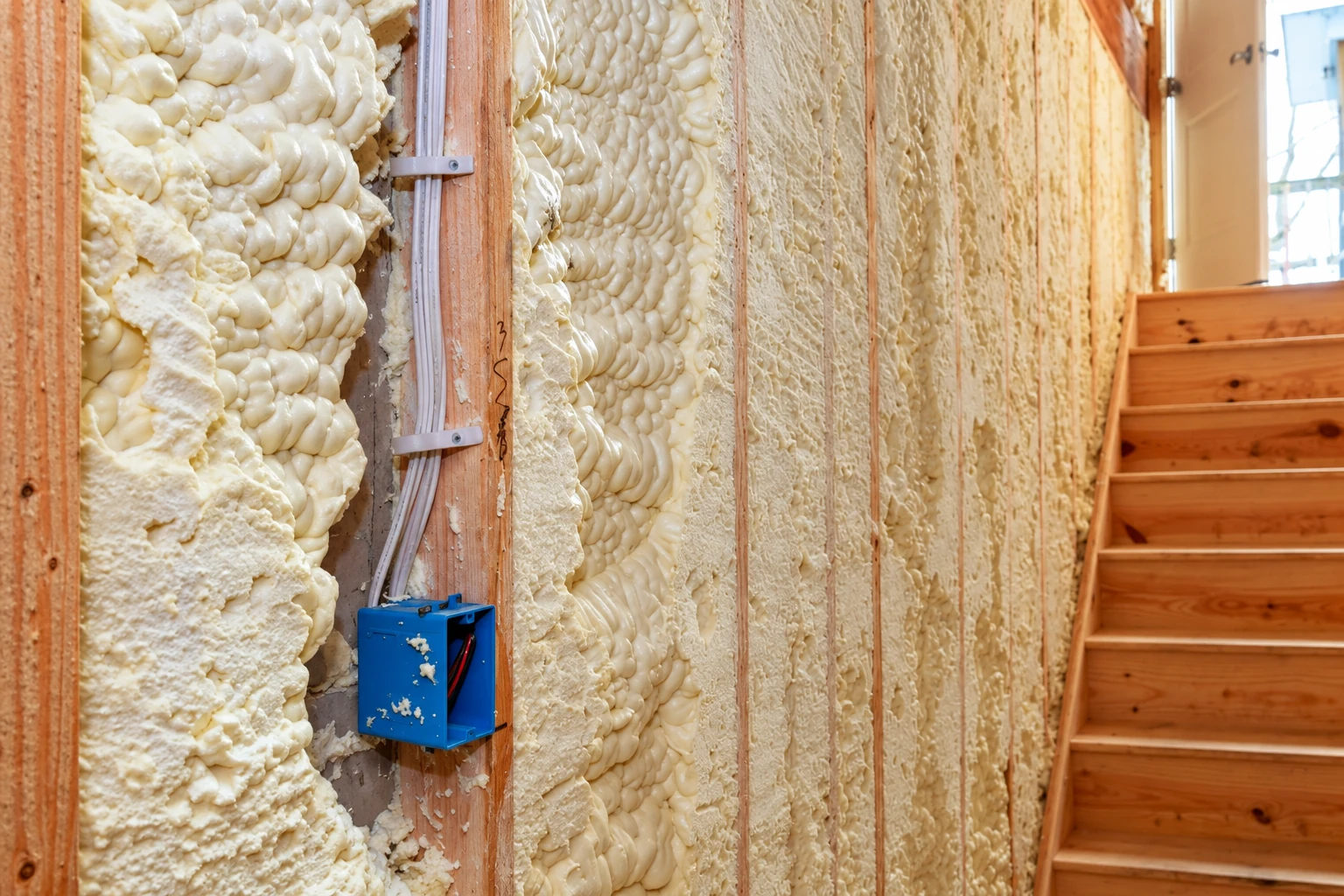
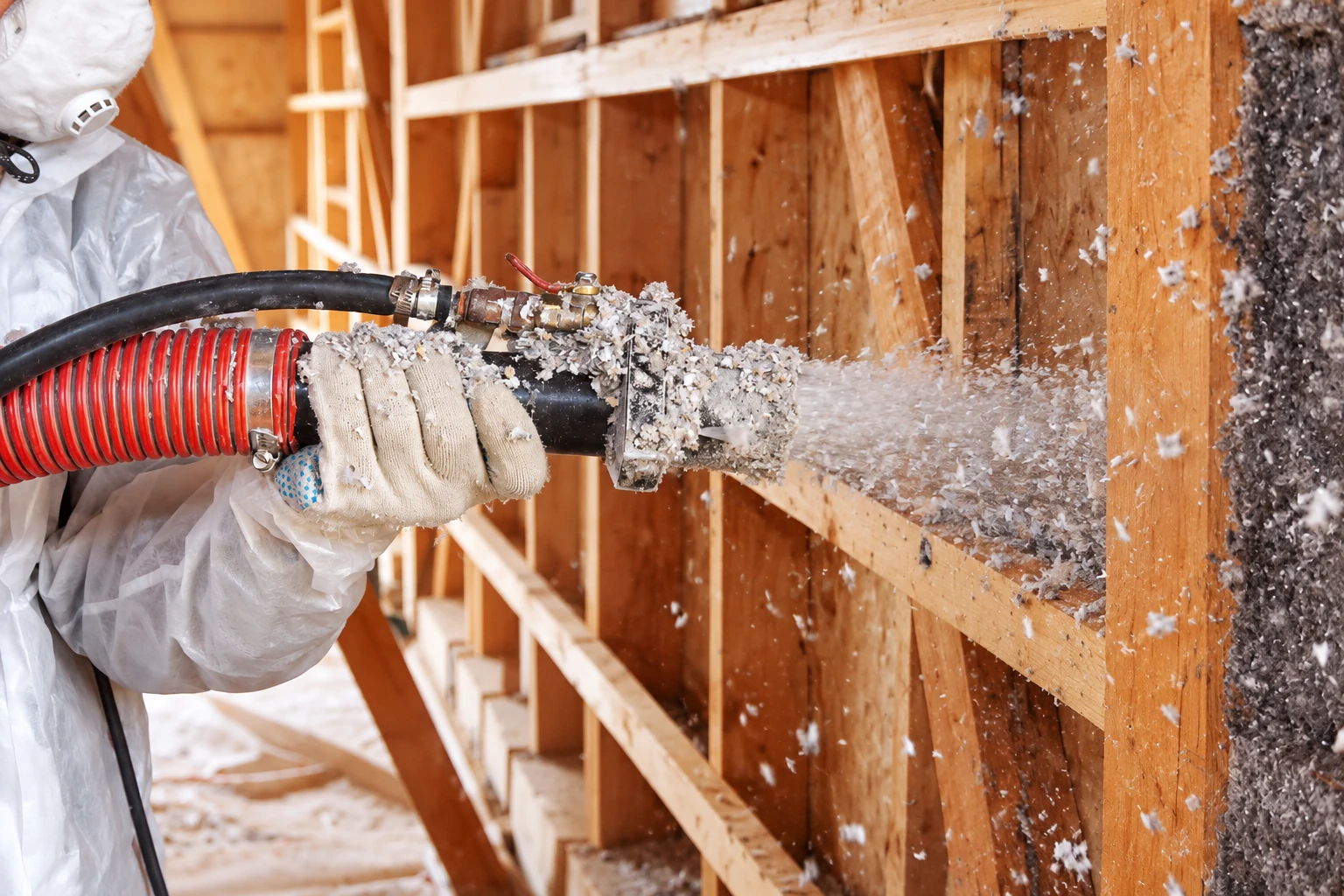
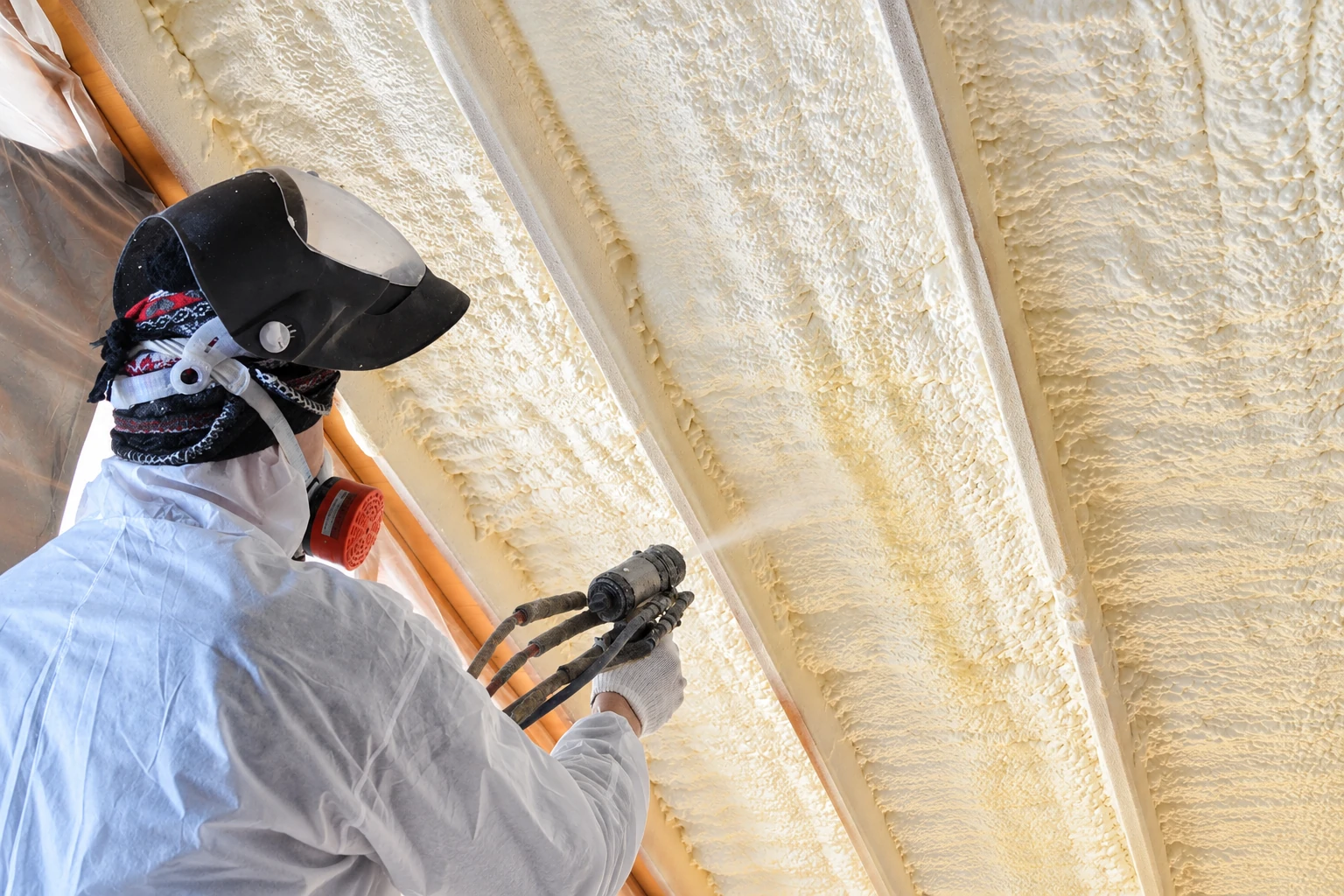
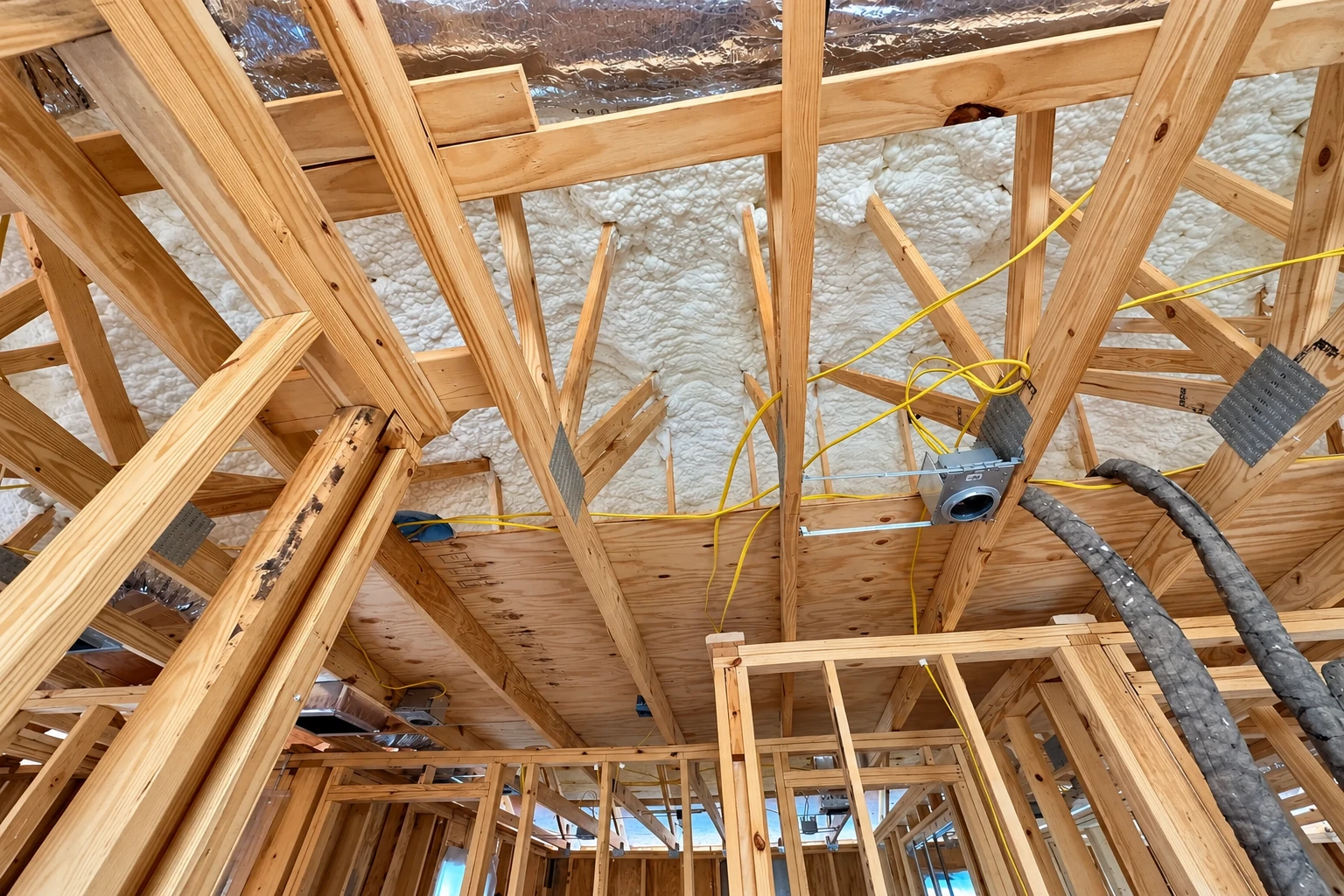
Wall insulation in Wichita Falls means filling the hollow spaces inside your outside walls. For walls that are already finished, D&L Wichita Falls Insulation Company usually goes with blown-in insulation, loose fill pushed through a hose, or sprayed foam, put in through small holes from the siding side or from inside, so nobody has to tear out your drywall.
Most folks who call me about walls have a room that won't stay comfortable no matter what the thermostat says, or they just bought an older house and found out the outside walls were never filled. The price mostly turns on how many walls we're filling, whether they're finished or open, what your siding is made of and how much patching or trim work our way in leaves behind, and the schedule turns on any permit the city wants and whether siding work is coming up anyway. If the hot spot is the room over the garage, the trouble may be overhead, and attic insulation could matter more than the walls. When I come out, I write up what I found and what I'd do in plain words, so you know exactly what your house needs.
How can you tell your walls need insulation?
Outside walls cold to touch
Lay your hand on an outside wall on a cold morning, then on an inside wall, and if the outside one feels a lot colder, there's usually little or nothing in that cavity. Every winter you wait, that wall keeps pulling heat right out of the room.
One room never keeps up
A corner bedroom that's hot all afternoon in summer and chilly in winter while the rest of the house feels fine usually has empty walls. Running the system harder to catch that one room up shows on the power bill month after month.
Drafts at outlets and switches
If you feel air moving at outlets on outside walls, that wall is open to the outdoors somewhere. That's a gap problem as much as an insulation problem, and filling the wall without sealing it first leaves the new insulation fighting a draft.
How we handle wall insulation from start to finish
Here's the order I work in, because new insulation laid over a leak, a bad wire or an open gap just hides the trouble. I look inside the walls first for old wiring, water stains and any cavity your heating or cooling uses as a duct, since installation guidelines say those spaces have to stay empty. Then we cover and protect your house, fix holes and weak spots so the wall can take the air pressure without fill bursting out somewhere, and pack the cavities full. We'll work through the siding or from inside, whichever makes more sense for your walls, and I tell you up front what patching or trim work that means. If you're already planning new siding, that's a great time to fill the walls.
Walls are usually one piece of a bigger picture. If air is sneaking in around windows, outlets and where the house meets the foundation, our air sealing services close those gaps first so the new fill isn't fighting a draft. If you've got a finished lower level, basement insulation handles those walls, which call for different materials than the framed walls upstairs.
Through the siding
This suits vinyl, aluminum and steel siding, which can usually be loosened with a siding tool and set back, so your inside walls never get touched. We drill, fill, plug and seal each hole, then patch the water-shedding layer behind the siding so rain can't find a way in.
From inside the house
This suits brick and siding that won't come off clean, because the holes go through the drywall instead. Those holes get patched or covered with a chair rail, a strip of trim along the wall, and we cover the floors and close off the room so the dust stays put.
Get a wall insulation plan for your house, written in plain words
We reply to every call and message within one business day. The estimate is free, done on-site and comes with no pressure to book. I come out myself, look over your walls and siding, and write up what I found and what I'd do.
(940) 298-1123Wall insulation permits and houses in Wichita Falls
The City of Wichita Falls says construction work in the city has to follow City Codes with the correct permits and licenses, and Wichita Falls Building Inspections is the office that issues those permits and inspects the work. The city's rule doesn't spell out whether a wall insulation job needs its own permit, so we check with that office before we start, and when your job calls for one, we handle the paperwork and the inspections for you.
A lot of the houses we see here are older wood-frame homes with walls that were never filled, and plenty have brick on the front and siding on the sides, so one house can need both methods. We're based in Wichita Falls and run into the same mix on jobs in Burkburnett and Iowa Park.
What happens after you call us about your walls?
Call or send a message
Call (940) 298-1123 or use the form, and we'll get back to you to set a time. It helps to know whether your walls are finished or open, what your siding is and whether new siding is in the plans.
I look over your walls
I come out myself, check the outside walls, outlets and siding, and walk you through what I found and what I'd take care of first. You get it written up in plain words, and nothing's booked until you say go, so you can take your time with it.
We seal, fill and walk it
Once you say go, we check on permits with the city's office, which is open Monday through Friday, cover and protect your house, do the sealing and repairs first, then fill the walls. When we're done, we walk the finished job with you and show you where every hole went and how it was closed up.
Frequently asked questions
Is blown-in or batt insulation better for my walls?
For walls that are already finished, blown-in is usually the better pick because it goes in through small holes without opening the wall. Batts, the rolled blankets, can be a very cost effective choice when the wall is open and the framing is evenly sized to match the batt's width and depth, which is why they fit a remodel but rarely a finished room. Foam costs more and seals air as it insulates, but for most walls I'd rather seal the gaps and blow in loose fill.
Will insulating my walls damage my siding or drywall?
It shouldn't, though either way leaves holes that have to be closed up properly. From outside, the siding goes back on with each hole plugged and sealed and the water-shedding layer behind it repaired, and from inside, the holes get patched or hidden under trim. Whoever you hire, ask how they seal those holes and fix that layer, because that's where rain gets in later.
Should I add wall insulation when I replace my siding in Wichita Falls?
Yes, if your walls are empty wood frame, because the advice for uninsulated walls is to blow insulation in once the old siding is off and before the new siding goes on. The holes go through the sheathing, the board layer under the siding, so the new siding covers them. Call us before your siding crew starts so we can line up the timing.
Who issues building permits in Wichita Falls?
Wichita Falls Building Inspections issues building permits in the city, and the same office inspects the work. You can reach them at 940.761.7459 if you want to check on your job yourself.
How much does wall insulation cost in Wichita Falls?
The cost comes down to how many walls we fill, whether they're finished or open, which material goes in and how much siding or drywall work it takes to get inside. Foam runs higher than blown-in loose fill, and open walls that take batts can cost the least. After I've looked at your walls, I'll write up what I'd do so you're not guessing.
How do I tell if my walls have insulation in them?
The easiest check is to shut off the breaker, take the cover off an outlet on an outside wall and shine a light into the gap beside the box. If you see fluffy material or foam, something's in there, and if you see open space, the wall's likely empty. House age is a good clue too, and I'm glad to look for you when I come out.
Wichita Falls, TX
Find out what's inside your walls
One look at an outlet box and your siding usually tells me which way in leaves the least to patch, so it's worth a visit before you decide anything.