
Basement insulation in Wichita Falls TX - a dry wall first, then insulation
A chilly, damp basement and cold floors above it? We fix any water coming in first, then insulate with a material that handles moisture.
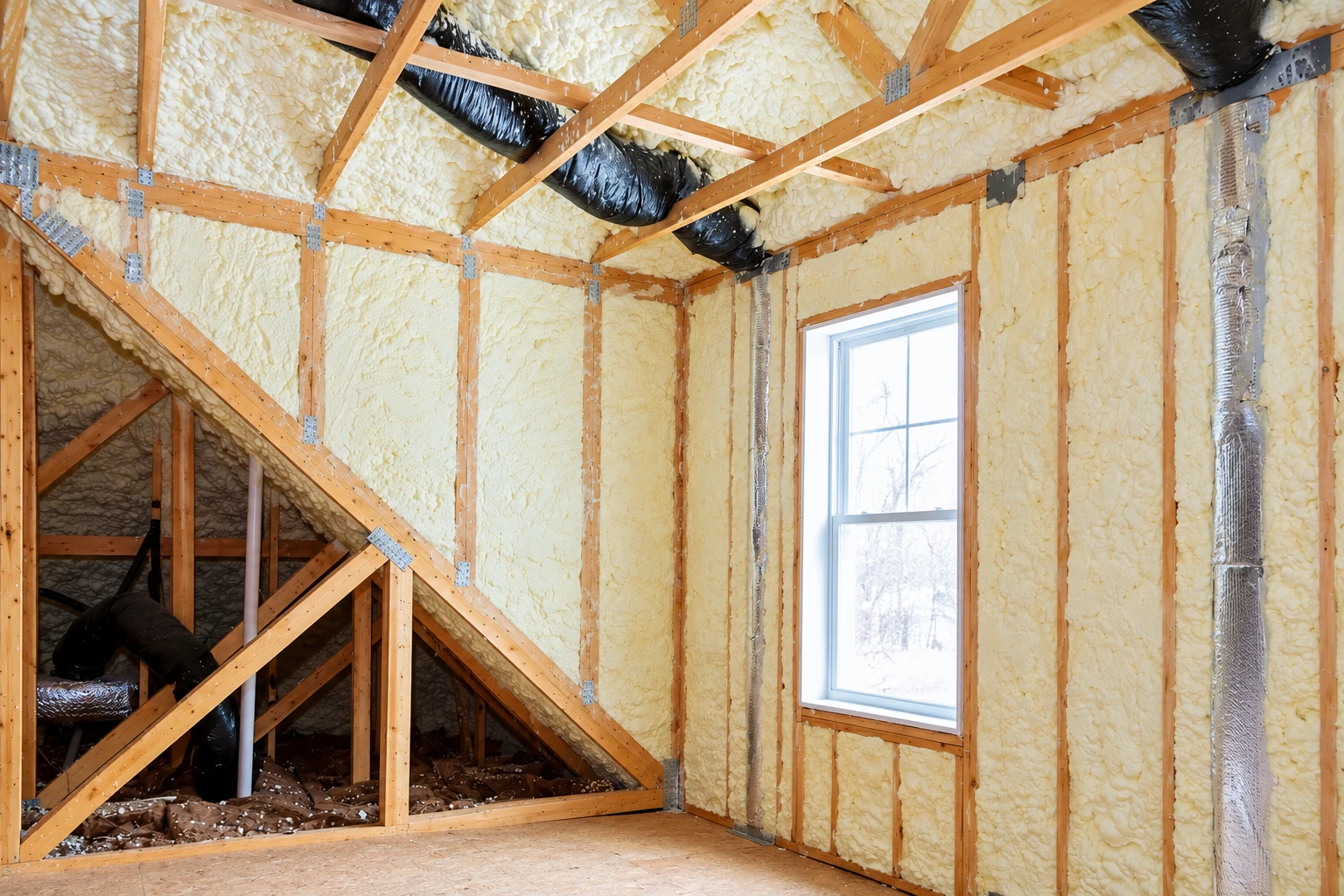
- Fully licensed and insured.
- Free in-person estimates.
- Replies within 1 business day.
What does it take to insulate a basement so it stays dry?
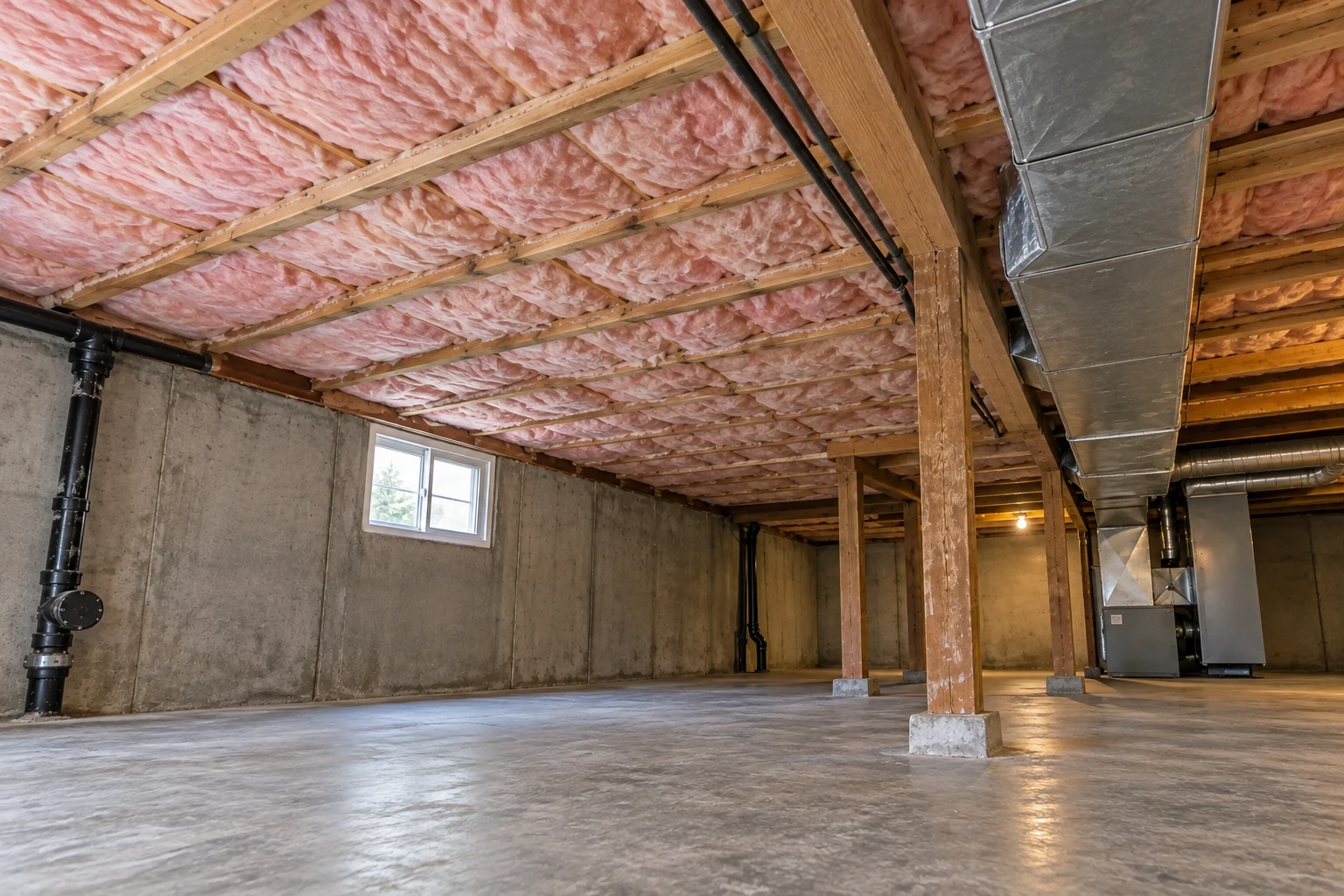
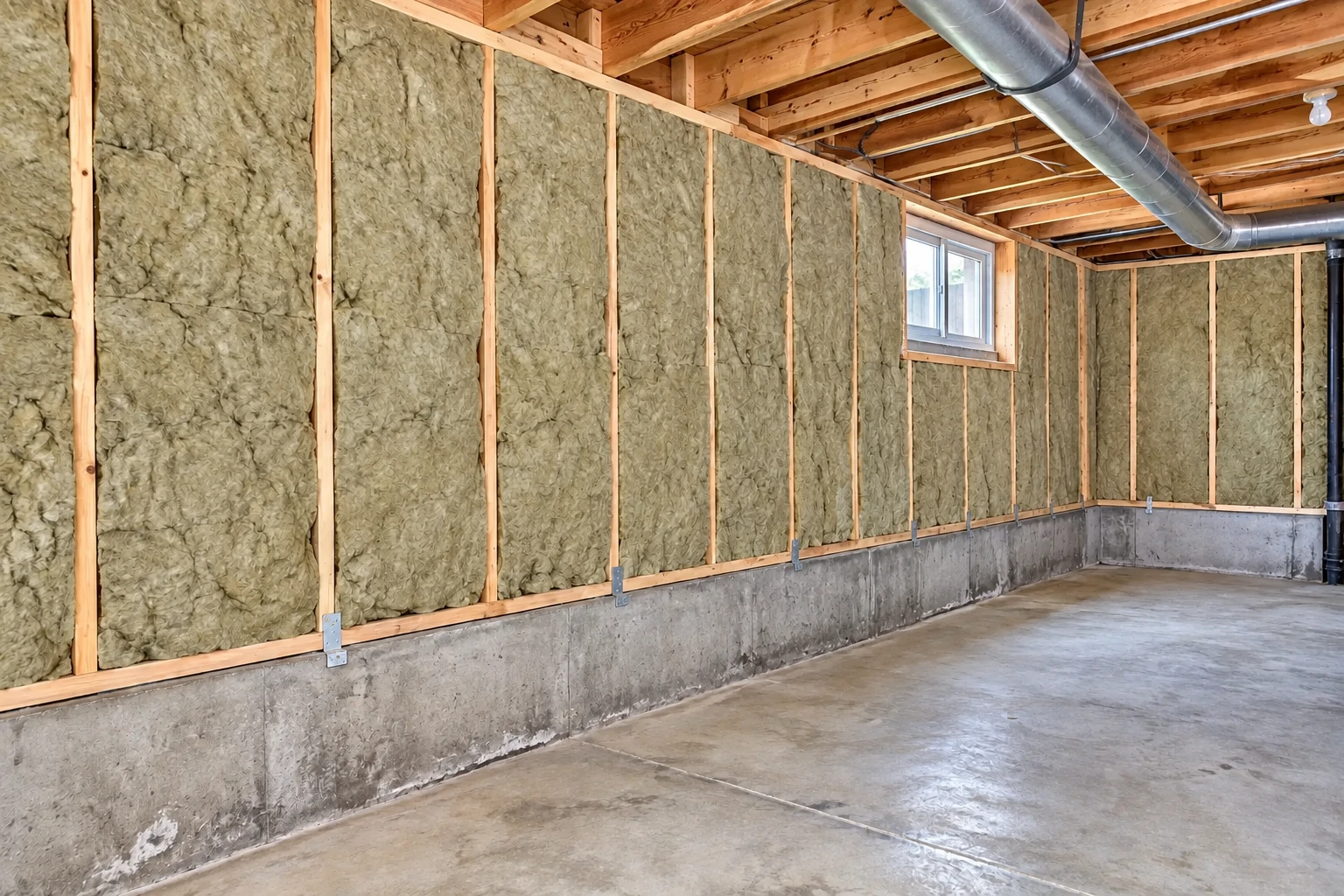
Basement insulation in Wichita Falls puts a layer on your foundation walls, usually on the inside, since we can reach that side without digging. Done well, it also stops drafts and keeps moisture in check at the wall, so you get a basement you can actually use and floors upstairs that aren't so cold underfoot.
Most folks who call me about a basement have a room down there they'd like to use, or floors upstairs that never warm up, and some just bought an older house and aren't sure what's behind the paneling. The price moves with how much wall we're covering, which material goes against the foundation, the covering that foam needs over it, and whether water is getting in, because that has to be fixed before anything else. The schedule turns on that same water question and on checking with the city before we start, and the written estimate I leave you spells out what I found and what I'd do, in plain words.
How can you tell your basement walls need insulation?
Damp patches or a musty smell
Dark patches, a white chalky crust on the concrete or a smell that hangs around after a rain usually mean water is getting through the wall somewhere. Insulation over that just hides it, and the wall keeps soaking behind the new layer until mold or rot shows up where you can't see it.
Cold floors over the basement
When the floors above stay chilly all winter and the power bill keeps climbing, it's usually bare concrete walls and an open band of wood along the top of the foundation letting heat slip out. Every season you wait, you're paying to heat air that leaves through the basement.
Old batts sagging off the wall
Fiberglass pinned straight to the concrete that's sagging, stained or smells like a wet dog when you pull it back has usually trapped moisture against the wall. Leave it and the dampness and smell stay, and whatever's going on behind it keeps getting worse.
How we handle basement insulation, start to finish
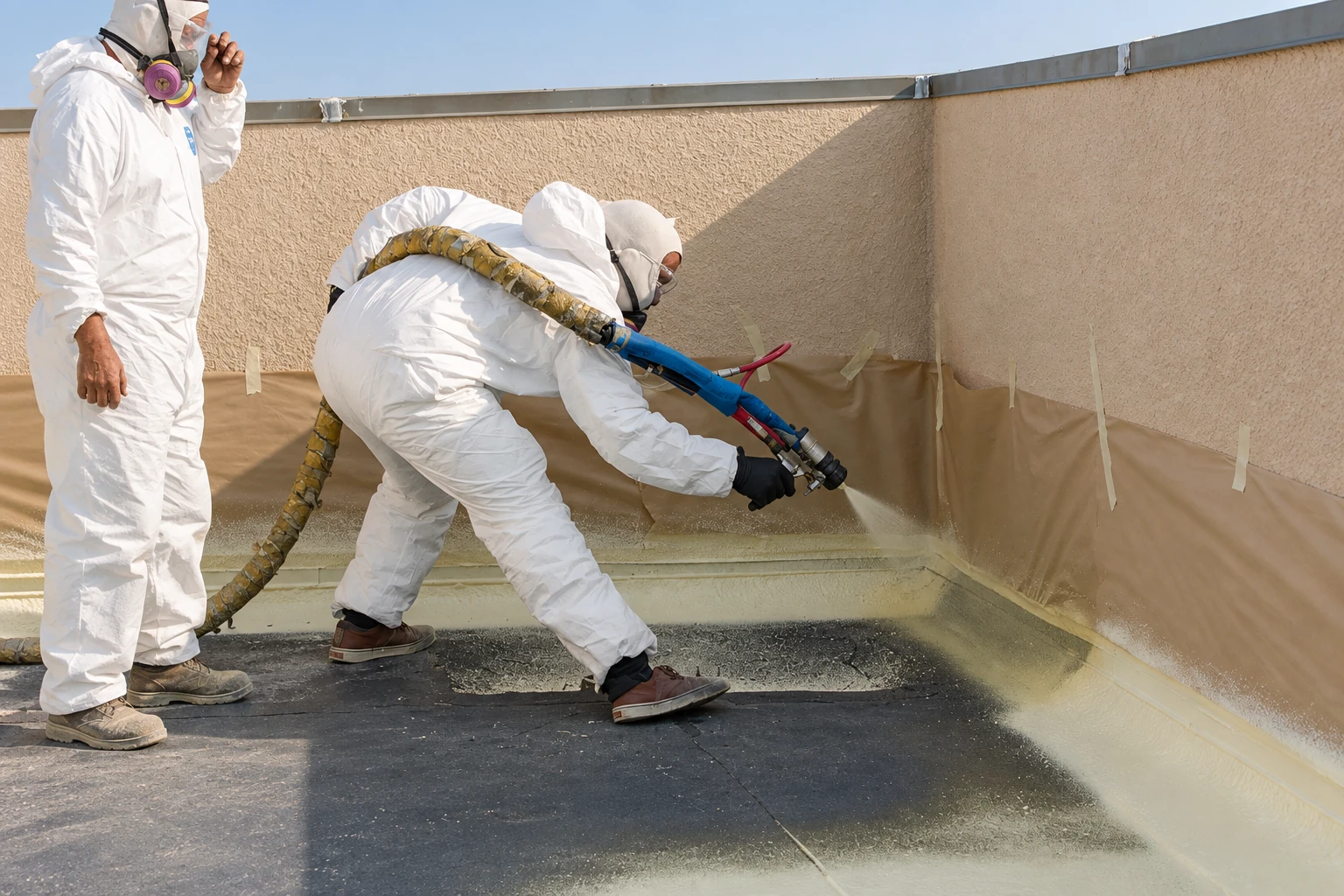
On a basement, I check the walls for water coming in before anything else, and if there is some, that gets fixed first, which is what federal energy guidance says to do too. Then we look the wall over for pipes, wires and other openings and seal them, so the new layer isn't fighting a draft. Next comes the insulation, and we pick a material that handles moisture well right against the foundation, which in practice means foam. Foam has to be covered with ignition-barrier paint, a coating that keeps flame off the foam, or with drywall, so that covering is part of the job and part of the budget. Last, I walk the basement with you and show you what we did and why.
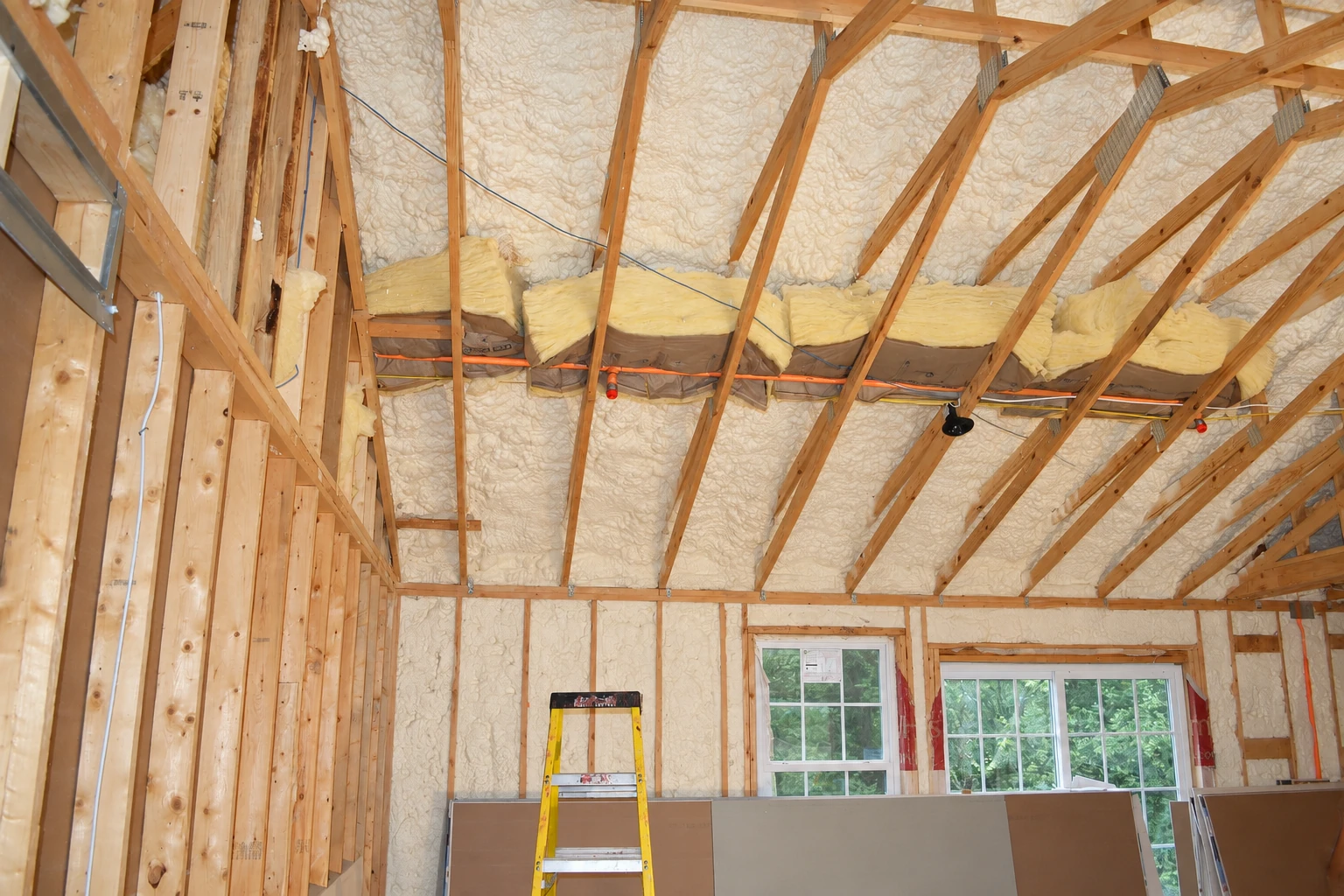
The foams we put on basement walls are the same ones we use around the rest of the house, so if a cold room upstairs needs the same treatment, we can plan it together. You can read more about how each one goes on in our pages on closed-cell foam insulation and open-cell foam insulation.
Closed-cell foam
This is the one I lean toward for most basements, because it's dense and blocks moisture right at the concrete. It suits walls that have had damp spots in the past, once the water's fixed, and rooms where you can't spare much depth.
Open-cell foam
Open-cell is softer and usually costs less, but it has to go on thicker to hold back moisture. It suits a basement that's stayed dry and has room for the extra depth.
Get a written plan for your basement walls
We reply to every call and message within one business day. I'll set a time to come out, look over your basement walls in person and leave you a written estimate that says what I found and what I'd do. It's free, and there's no pressure to book.
(940) 298-1123Basement insulation in Wichita Falls, from the permit to the walls
Permits for work in the city come from the Building Inspections office, which also inspects construction against the building code, and the city says construction work here has to follow city codes with the right permits and licenses. I won't guess whether your basement job needs a permit, so we check with that office before we start, and when a job calls for one, we handle the paperwork and the inspections for you. If you'd like to ask them yourself, you can reach them at 940.761.7459, weekdays from 8 to 5.
A high water table is rarely the issue in town, since a soil data site reports it limits basements on under 1% of mapped land inside city limits. So when I find water on a basement wall, I trace where it's coming from before we pick a material, and we do the same checks on jobs in Burkburnett and Iowa Park.
What happens after you call about your basement?
Call or send us a message
Reach us at (940) 298-1123 or through the form, and tell us whether you've seen water on the walls and about how much wall you have. We'll set up a time for me to come by.
I look over your basement
I come out myself, check the walls for water, look at the openings and the wood along the top of the foundation, and walk you through what I'd take care of first. You get a written estimate in plain words, so you can see what's driving the cost before you decide anything.
We check permits and fix water
Once you say go, we check with the city on permits, cover and protect your floors and belongings, then handle any water problem and sealing before insulation goes up. If a permit's needed, the city's inspection fits in here, and we set it up.
Insulate and walk it together
Our crew puts on the foam and the covering it needs, then cleans up. I walk the finished basement with you, so you know what's in your walls and what to keep an eye on.
Frequently asked questions
What is the best way to insulate basement walls in Wichita Falls?
For most basements, closed-cell spray foam on the inside of the wall is the best way, because federal energy guidance ranks it highest for moisture control of any interior foundation insulation. That same guidance says fiberglass batts and cellulose shouldn't touch foundation walls, so whatever sits against the concrete should handle moisture. I'll tell you which fits your walls once I've seen them.
How do I get my basement ready for insulation?
Get any water coming through the walls fixed first, with water steered away from the foundation, because insulation over a wet wall just traps the problem. It also helps to know what's on the walls now, since plastic sheeting, vinyl or foil wallpaper, and epoxy, oil or alkyd paint on the inside of a basement wall trap moisture in it. If you're not sure about either one, that's what I look for on the visit.
How much does basement insulation cost in Wichita Falls?
Across the US, basement insulation usually costs about $1 to $5 per square foot of wall or ceiling area. Where yours lands depends on the insulation type, how big the job is and local labor rates, plus any water repair and the covering foam needs. My written estimate gives you the figure for your walls.
Can I use rigid foam board on my basement walls?
Yes, rigid foam boards can work on the inside of basement walls, as long as the panels stick to the wall completely with no air gaps behind them. The edges and seams have to be tightly sealed too, or damp air gets behind the board and you're back where you started.
Should the rim joists be insulated along with the basement walls?
Usually yes, since the same federal guidance says rim joists should be insulated when they form the edge of your home's heated space. The rim joist is the band of wood sitting on top of the foundation wall, and it's a leaky spot in a lot of basements, so I look at it when I come out.
Is it better to insulate a basement from the outside?
Usually not, because outside insulation means digging, and federal guidance says it shouldn't be used where termites are a problem. It also has to be carefully protected from moisture while it's going in, so for most houses we insulate from the inside.
Wichita Falls, TX
Tell us about your basement walls
A rough idea of how much wall you've got and where you've seen water helps me show up ready to look in the right places.