
Closed-cell foam insulation in Wichita Falls TX - moisture stopped where it matters
Damp crawl space, a hot room over the garage or ductwork baking in the attic? We spray foam that seals air and holds moisture back.
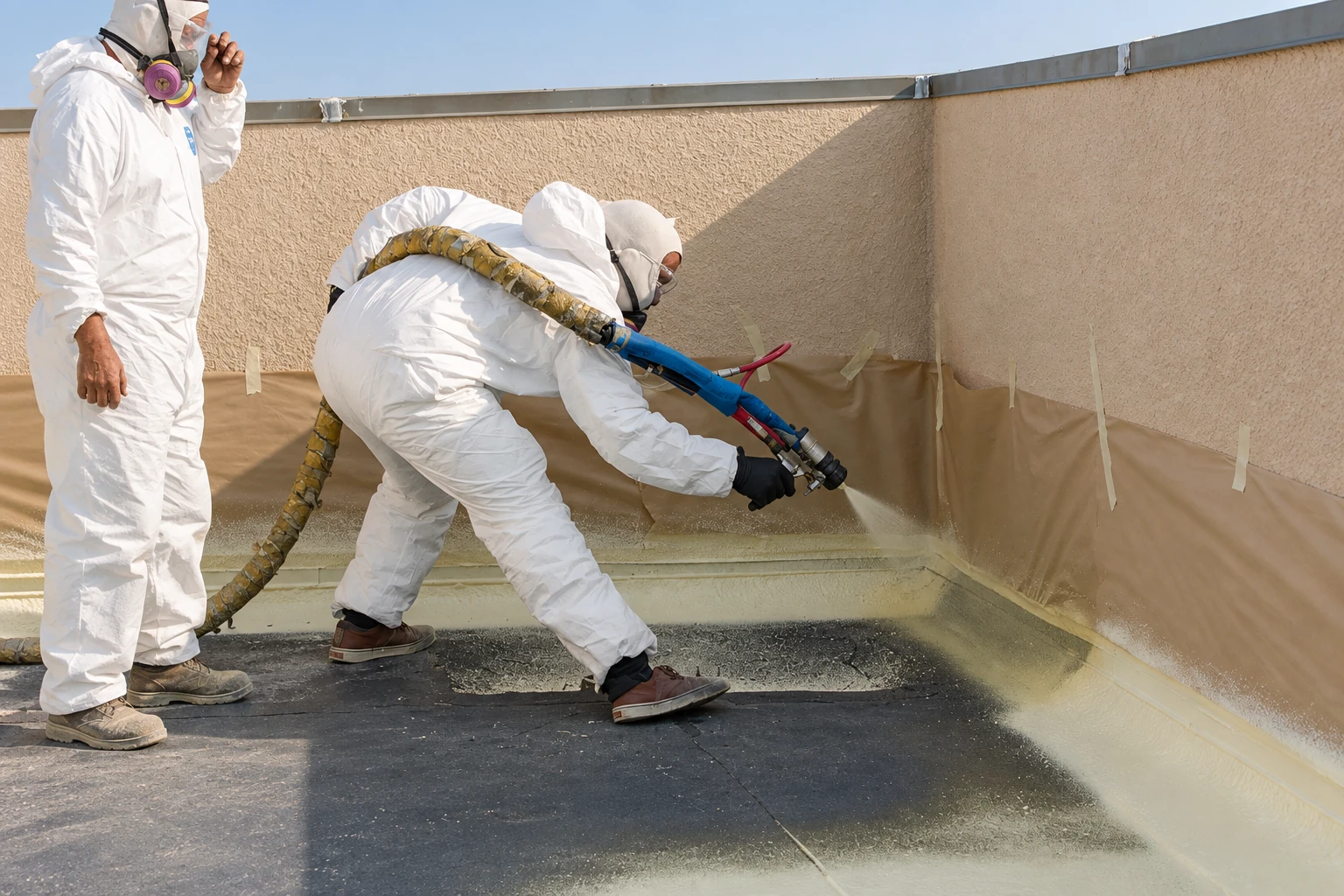
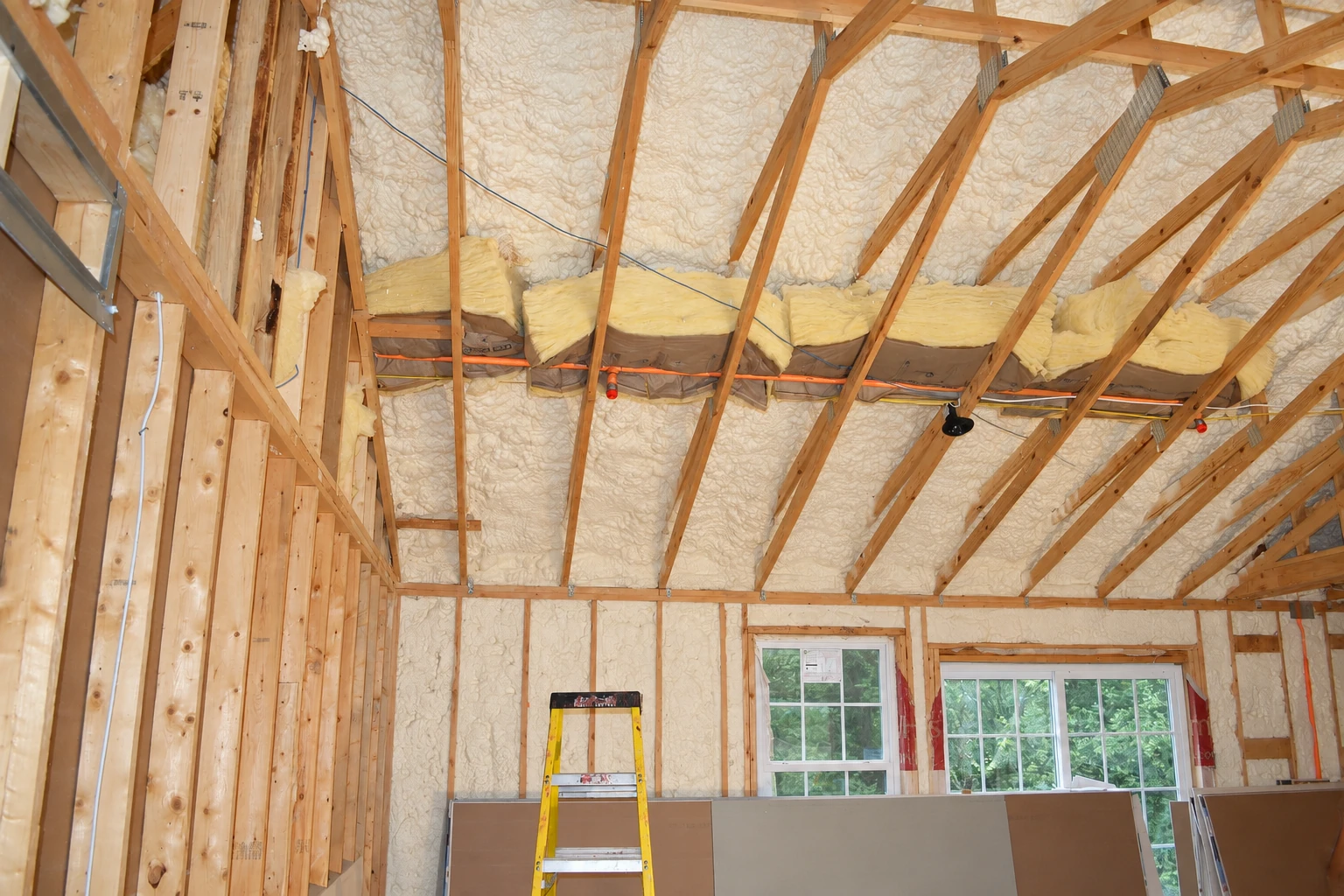
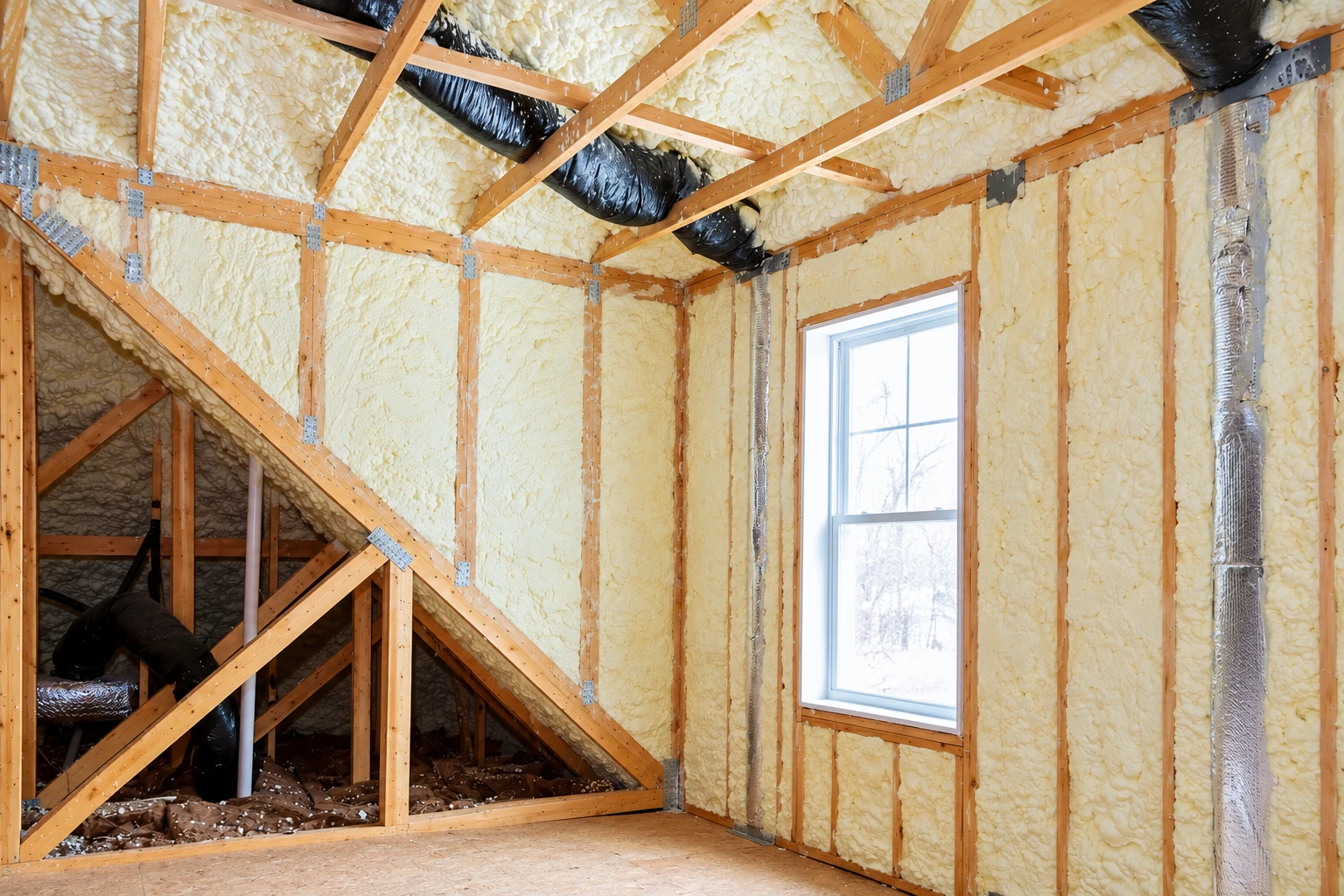
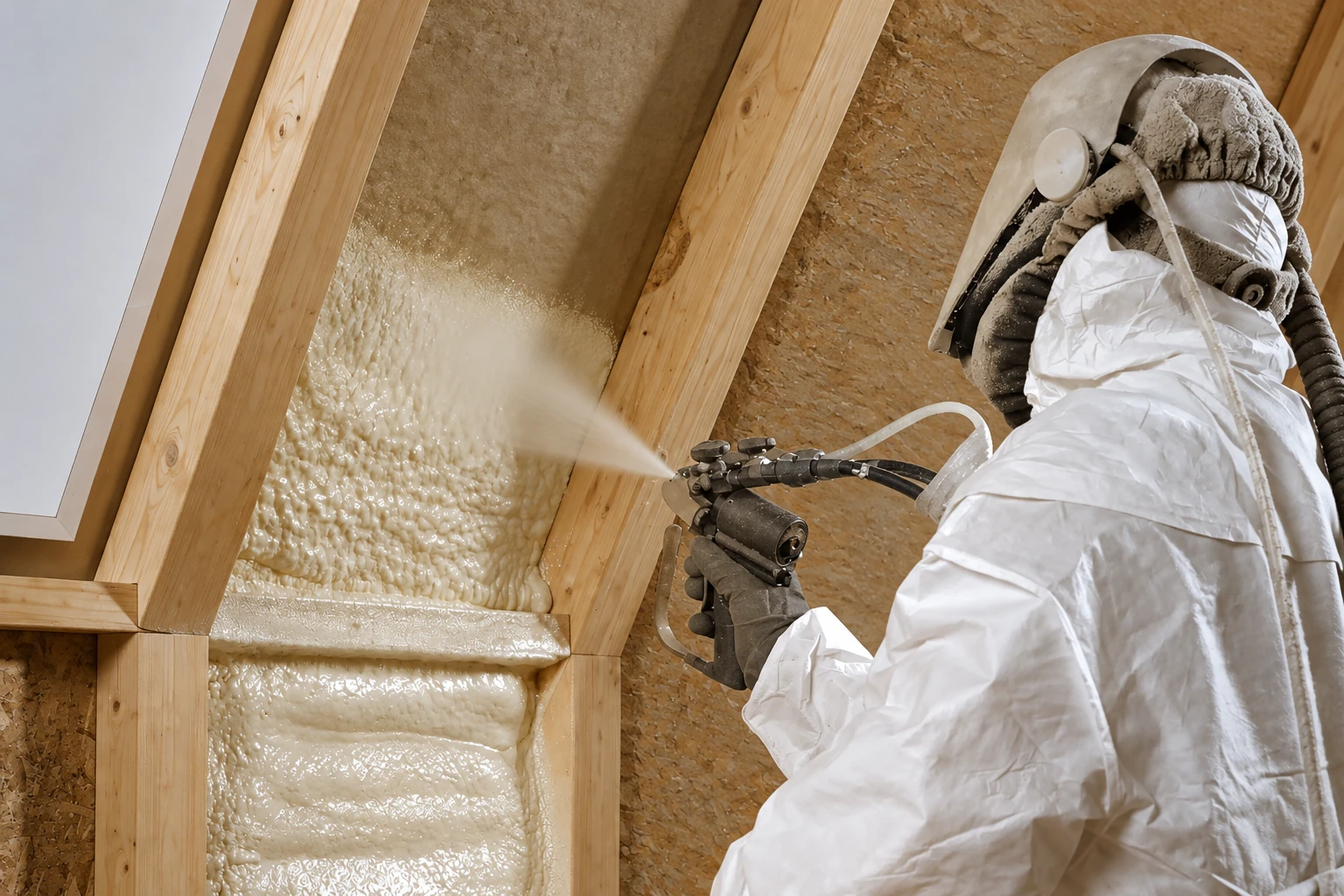
- Fully licensed and insured.
- Free in-person estimates.
- Replies within 1 business day.
Is closed-cell foam worth the extra cost for your house?
Closed-cell foam insulation is a dense, rigid spray foam that seals air leaks and holds back moisture in the same layer. In Wichita Falls we use it where damp framing, a leaky crawl space or ductwork in the attic is the real problem.
Maybe your crawl space smells musty, or the room over the garage never cools off, and somebody told you spray foam fixes everything. Here's how I see it. Closed-cell is the pricier foam, so the price mostly turns on how many square feet we cover, how thick it goes on and how much sealing or repair has to happen first. The schedule turns on those repairs, a permit check with the city and the time you'll spend out of the house after we spray. Sometimes a crawl space vapor barrier on the ground handles the damp for less. I'll come out, look it over and write up what I found and what we'd do, in plain words, so you can decide from there.
How do you know closed-cell foam might be the right fix?
Musty smell under the house
A musty crawl space or wood under your floors that feels damp usually means moisture is getting into the framing from below or around the edges. Left alone, damp wood invites rot and mold, and insulation laid against it just hides the trouble.
Drafty floors along outside walls
Cold floors and drafts near the outside walls often trace back to gaps where the house framing sits on the foundation. Every season you wait, that leak keeps pulling outside air in and your system works harder to make up for it.
Hot rooms with ductwork overhead
If upstairs or the room over the garage won't cool and the ducts run through the attic, those ducts are often sitting in the hottest part of the house. Waiting usually means a bigger power bill and a system that runs long trying to keep up.
How we handle closed-cell foam insulation
Here's the order we work in, and why. I look for leaks, wet spots and old wiring before anything else, because foam sprayed over any of those seals the trouble in where nobody can see it. Closed-cell costs more than open-cell, so I only suggest it where stopping moisture is worth paying extra for, and I'll tell you plainly when it isn't. Then we fix and seal what needs it and spray the foam in even passes, so the edges get the same coverage as the middle instead of running thin. We also talk about fresh air before we start, since a tight foam job can change how your home breathes.
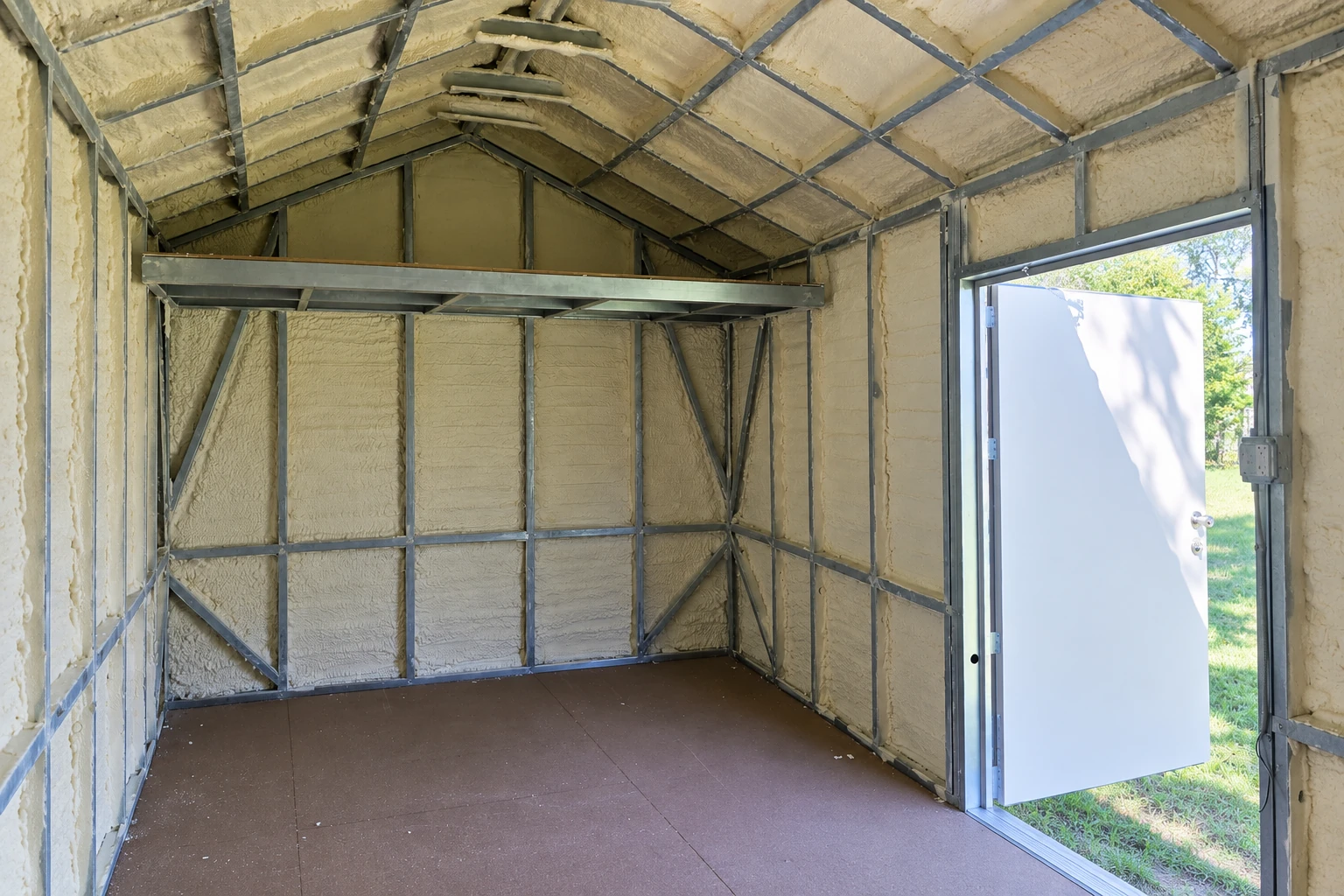
Some jobs call for a different foam or a bigger building. Where you want the air sealed but moisture isn't the worry, open-cell foam insulation usually costs less. For metal buildings and shops, our commercial insulation work covers the larger spray jobs.
Crawl space walls and rim joists
This suits a house with a damp or drafty crawl space, because closed-cell holds moisture back at the foundation walls and seals the rim joists, the band of framing that sits on top of the foundation. It's the spot where the extra cost most often earns its keep.
Attic roof deck over ductwork
This suits an attic where the heating and cooling units or ducts live, because foam on the underside of the roof brings that space inside the part of the house you heat and cool. Without equipment up there, sealing the gaps and topping up the loose fill usually makes more sense.
Get a written look at your closed-cell foam job
We reply to every call and message within one business day, and the in-person estimate is free with no pressure to book. Once you send this, we'll set a time and I'll come out myself to look over the attic, walls or crawl space. Then I'll write up what I found and what we'd do, in plain words.
(940) 298-1123Planning closed-cell foam insulation in Wichita Falls
Any foam job here starts with the city. The City of Wichita Falls calls for the correct permits when construction work is done in the city, and that work has to follow its City Codes. Whether your particular foam job needs a permit is a question for the city's permit office, so I check with them before we start. When your job calls for one, we handle the paperwork and the inspections for you.
Out on jobs we see a lot of older houses sitting over crawl spaces, plenty with ductwork running through the attic, and some metal shops and outbuildings on bigger lots. We run into the same mix on jobs in Burkburnett and Iowa Park, so I check under the house and up in the attic on every visit, even if you only called about one room.
What happens after you call about closed-cell foam?
Call or send a message
Call (940) 298-1123 or use the form, and we'll set up a time that works for you. Tell us which rooms or areas are giving you trouble so I know where to look first.
I look over your house
I come out myself, check the attic, walls or crawl space, and walk you through what I found and what I'd take care of first. You get it written up in plain words, so you can weigh the cost before anything is decided.
Plan your time away
Once you say go, we check on permits with the city, set a date, and you arrange somewhere for the family and pets to stay while we spray and for a while after. Clear a parking spot close to the house, because the spray rig parks nearby and runs long hoses to where we're working.
We seal, spray and walk it
We cover and protect your house, do the sealing and repairs first, then spray the foam. When it's done, we walk the finished job with you and show you what we did, so you know your house a little better.
Frequently asked questions
Is closed-cell or open-cell spray foam better for my home?
Closed-cell is better where moisture is the problem, and open-cell is usually the better buy where it isn't. Both block airflow well, but open-cell lets moisture vapor pass through, while closed-cell at its usual thickness acts as a vapor retarder, a layer that essentially stops it. I'll tell you which one your house calls for once I've seen it.
How much does closed-cell spray foam insulation cost in Wichita Falls?
Installed closed-cell spray foam usually costs about $6 to $12 per square foot across the US, and that's a national range, not our price. It costs more than open-cell because it expands less and takes more material to cover the same area, and your own total depends on the square footage, the thickness and the prep work. Our estimate lays out what your job involves before you decide.
How long do I have to stay out of the house after spray foam insulation?
Plan to be out while we spray and for at least 24 hours after, which is what consumer safety guidance advises for spray foam. Your re-entry time, when it's okay to come back in, is a minimum, so arrange somewhere for everyone, kids and pets included, to stay for that stretch. It's worth talking through the safety steps with us before the day, and I'm happy to go over them twice.
Will spray foam affect the fresh air in my house?
It can, because spray foam can seal a house tighter than the minimum fresh air rates building codes require. In some cases a permanent mechanical ventilation system, a fan setup that brings in outside air on purpose, may need to be considered, and that can add to the project plan. Better to know that before the foam goes in than after.
What is the best way to insulate and seal rim joists?
Spray foam is one of the simplest ways, because it can air-seal and insulate rim joists in one step. Closed-cell gets thick enough to stop air with a thinner layer than open-cell, which helps in the tight spots at the edge of a crawl space or basement. We check for wet wood and open gaps before we spray.
Is closed-cell spray foam a fire hazard?
Both closed-cell and open-cell foam are organic materials and are considered combustible, so it's a fair question for any installer. Ask how your job accounts for that, and I'll walk you through how it applies to your attic or crawl space at the estimate.
Wichita Falls, TX
Find out where closed-cell foam pays off
Before you call, jot down the areas you want insulated and whether your heating and cooling units sit in the attic, so the first visit covers what matters.