
Air Sealing Services in Wichita Falls TX - rooms that hold the air you pay for
Drafty rooms, a hot upstairs or a power bill that keeps climbing? We find and seal the attic leaks so your rooms hold steady.
- Fully licensed and insured.
- Free in-person estimates.
- Replies within 1 business day.
What does air sealing do for a drafty Wichita Falls house?
Air sealing in Wichita Falls means plugging the holes where air slips between your rooms and the attic, around wiring, pipes, the attic hatch, recessed lights and duct chases, so your house holds its temperature and any insulation on top can do its job.
Most folks call us because a room upstairs won't stay cool, the floors run cold in winter or the power bill keeps creeping up, and more often than not the cause is air leaking through the attic floor, not just too little insulation. The price moves with how many leaks there are, how big they are, how hard they are to reach under old insulation and whether wet spots or bad wiring have to be fixed first. The schedule turns on those same things, plus how easy your attic is to get into, and we check with the city on permits before we start. If you're also planning attic insulation, the sealing comes first. When I come out, I write up what I found and what I'd do, in plain words, so you get your own figure instead of a guess.
How do you know your house needs air sealing?
Hot rooms upstairs
When the bedrooms up the stairs or the room over the garage run hot all summer, attic air is usually getting pulled down through gaps around lights, wires and the hatch. Left alone, the AC runs longer every year and those rooms never quite catch up.
Drafts near the attic hatch
Hold your hand by the hatch or a ceiling light on a windy day and you'll often feel air moving, which means your house is trading air with the attic. As long as that path stays open, air you paid to heat or cool keeps drifting up and out.
Dark streaks on insulation
Gray or black smudges on the insulation, usually around pipes and wires, are dust left behind as air filters through it the way it does through a furnace filter. That spot is a leak, and piling new insulation over it without sealing just buries the problem.
How our air sealing services work
Here's how a job goes. I start by looking for leaks, wet spots and old wiring, because sealing over trouble only traps it. Then we find the big holes first, around wiring, pipes, the attic hatch and duct chases, the hollow boxes that hide your ductwork, and seal those before the small stuff, since that's where most of the air gets through. Small cracks usually get caulk, bigger gaps get expanding foam and large openings get covered with rigid foam or drywall, and we keep the eave vents clear so the attic can still breathe. If you've got gas or oil equipment that vents on its own, we have it tested before and after we seal.
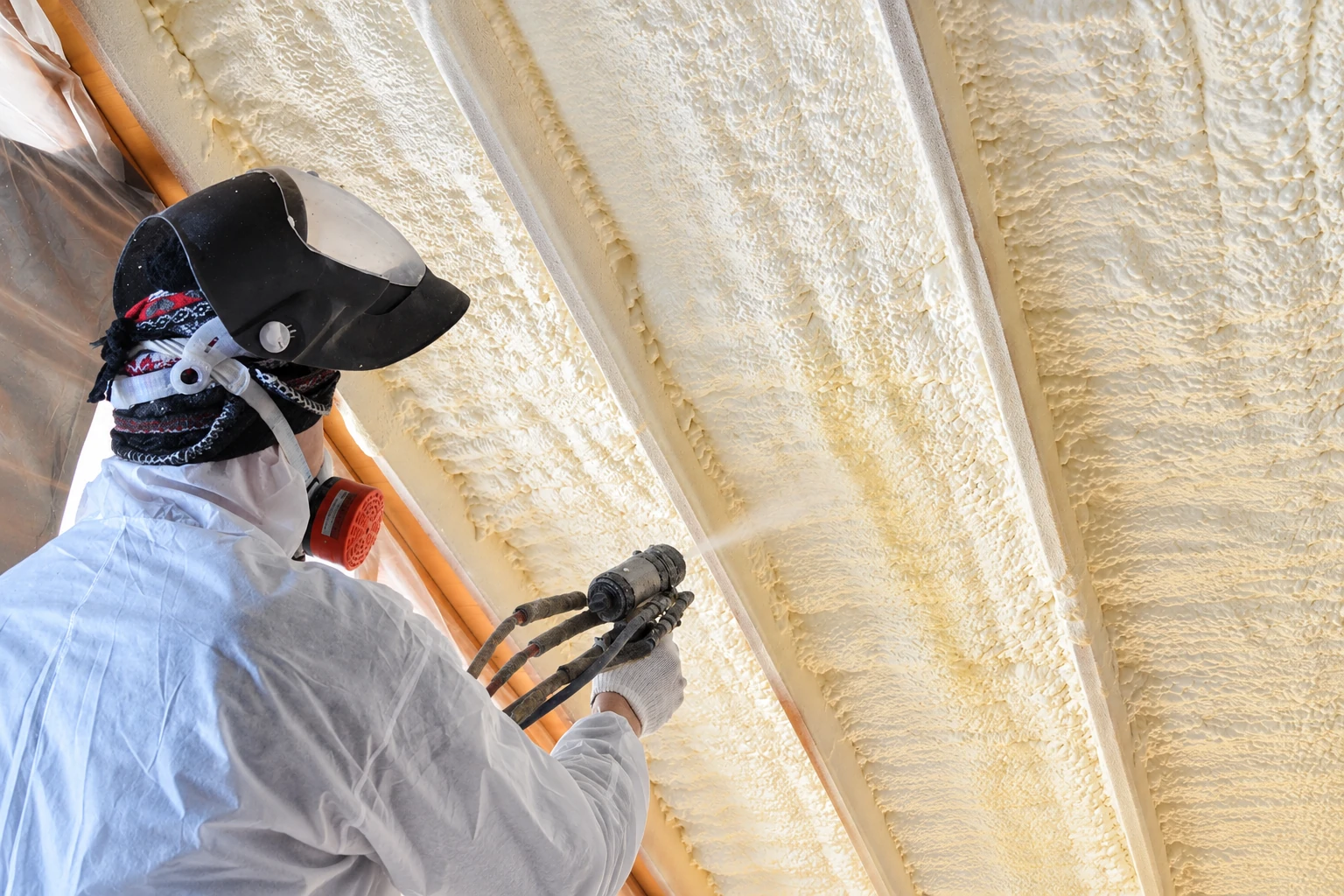
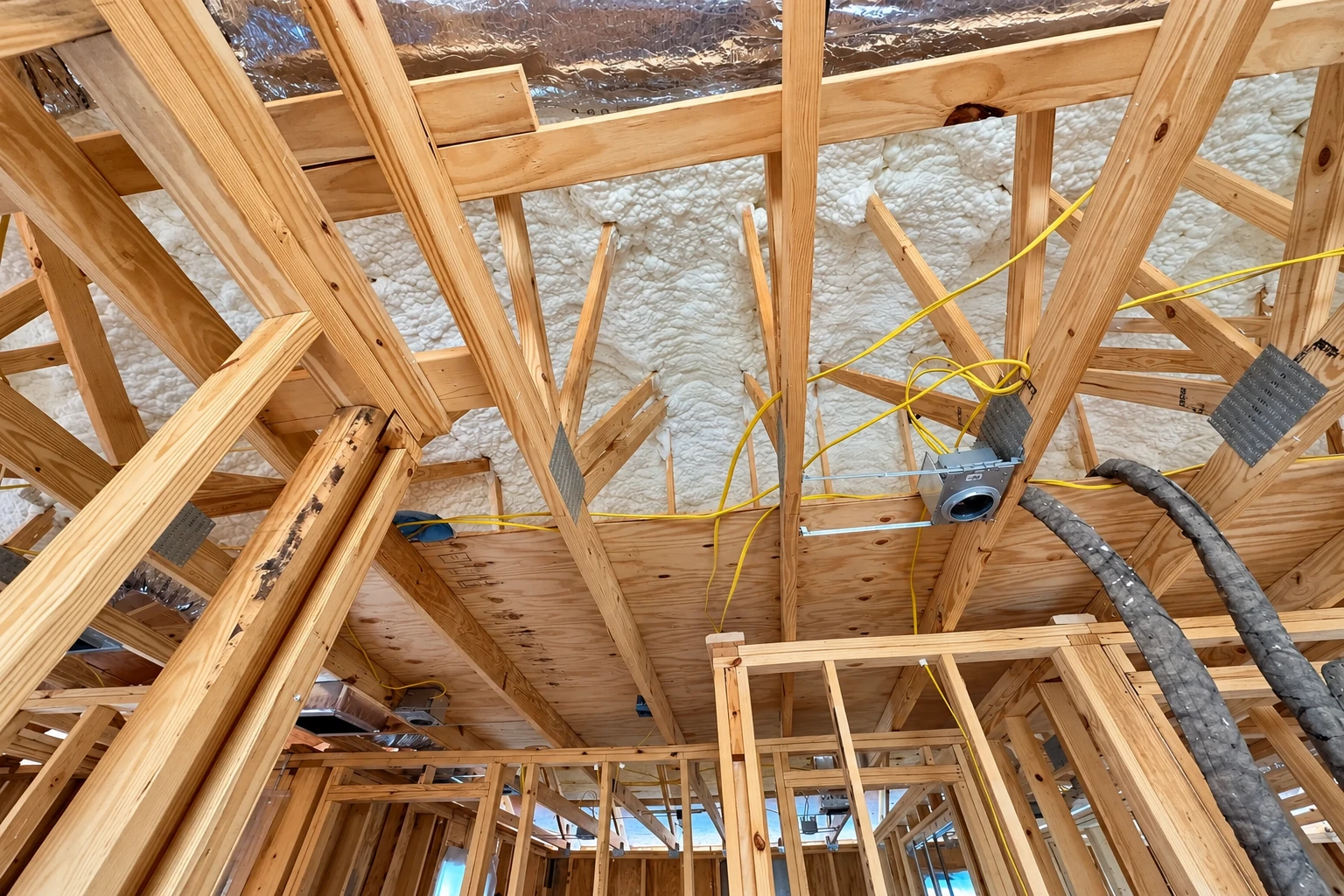
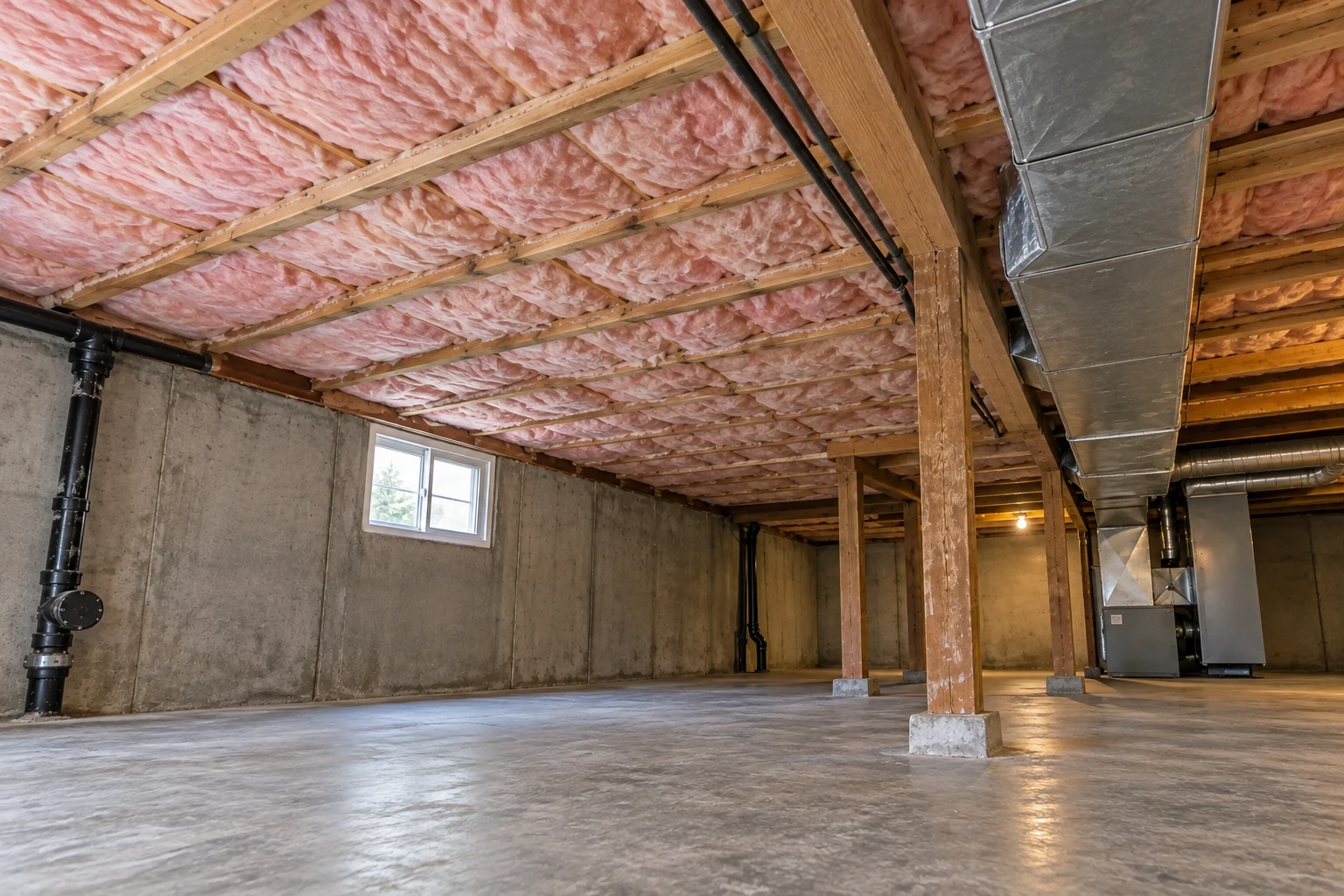
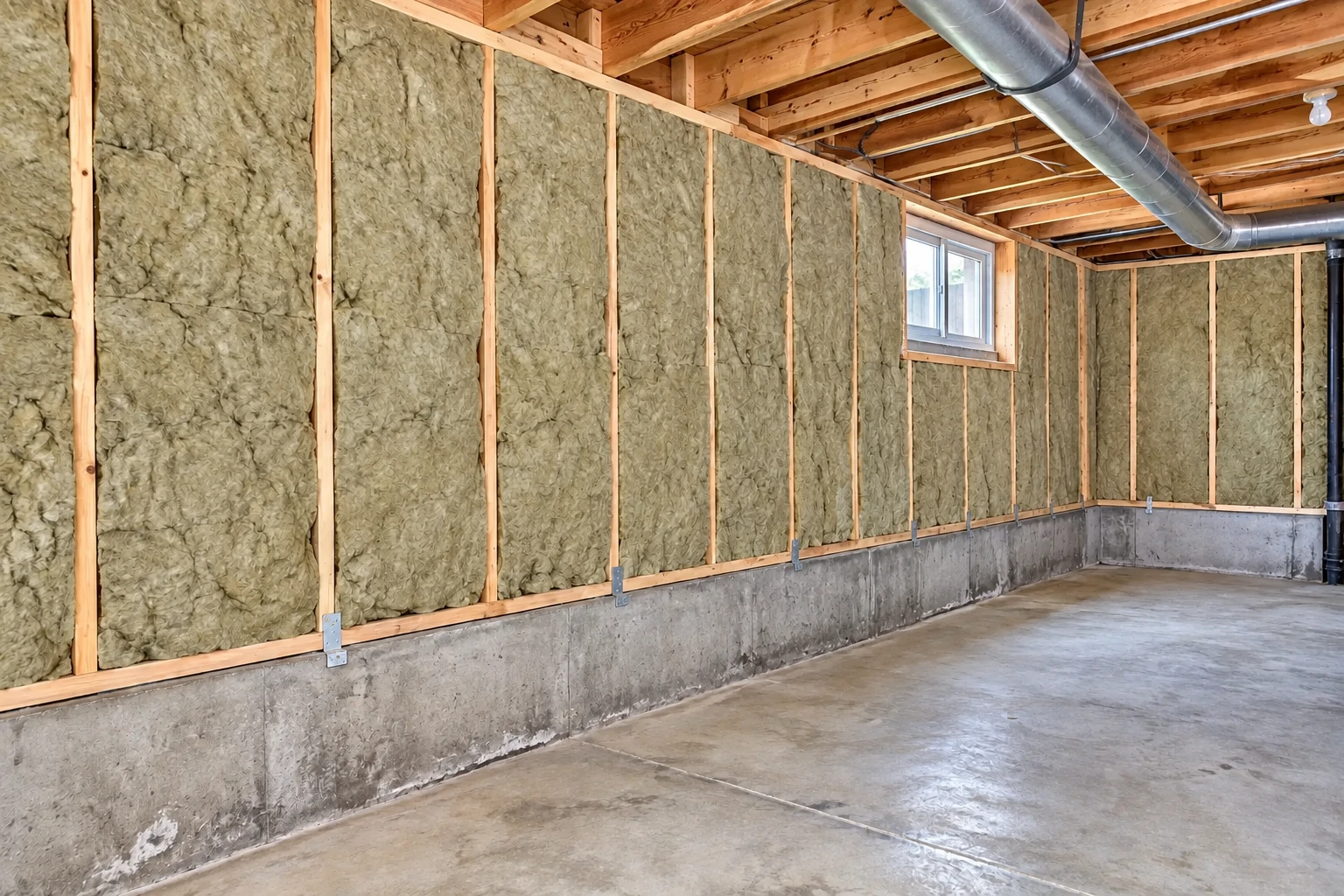
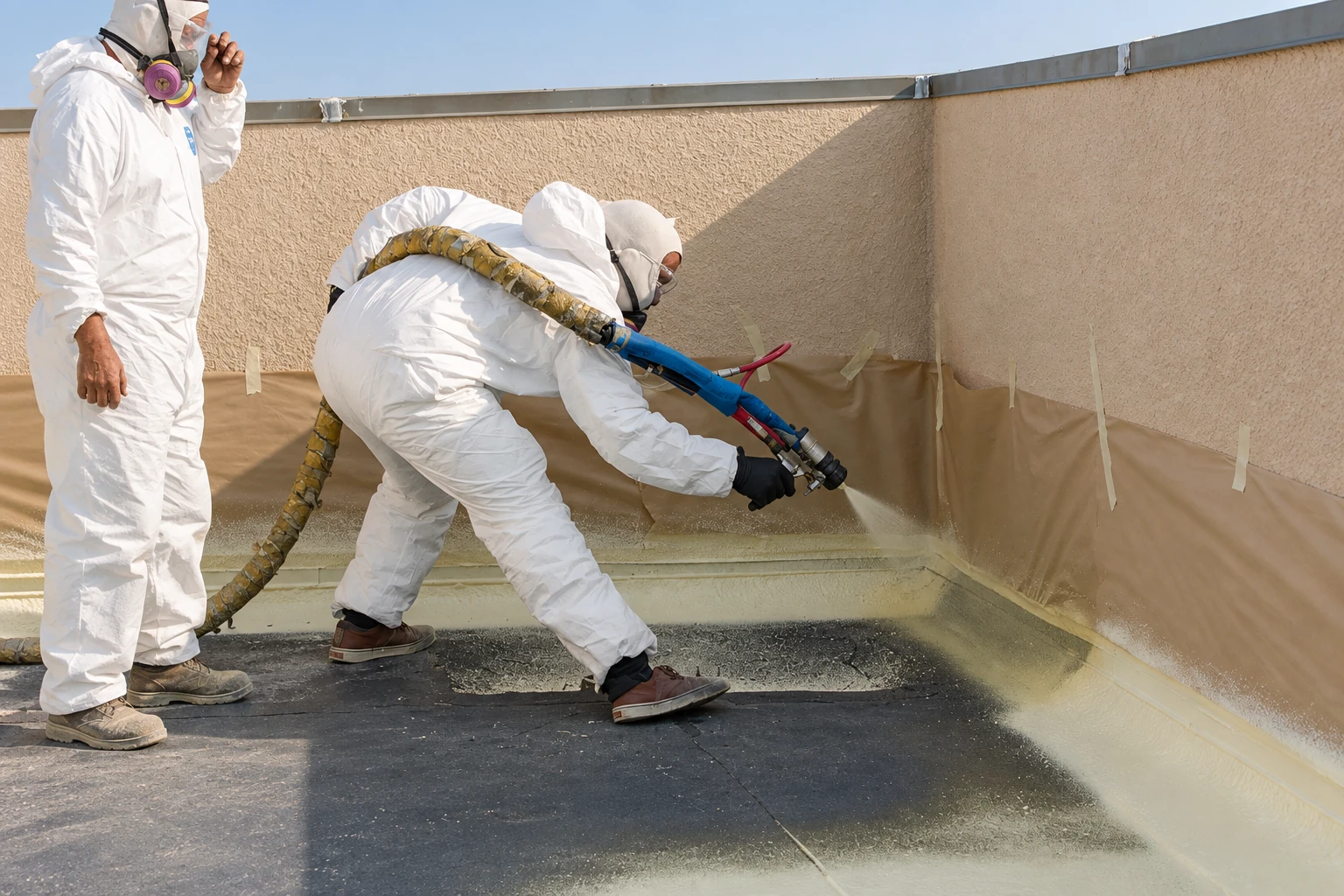
Leaks don't stop at the attic. If your house has a basement, the spot where the framing sits on the foundation wall can pull in outside air, so basement insulation is often the next place I'd look. Where your ductwork runs through the attic, closed-cell foam insulation, a dense foam that blocks moisture, can seal and insulate in one layer.
Sealing with a loose-fill top-up
This suits most attics where the ducts are downstairs, because sealing the gaps and then adding blown-in insulation, loose fill blown through a hose, does the job for less than foam. It's the route I recommend most often.
Foam where the ducts live
If your ducts and air handler sit up in the attic, foam costs more but seals air while it insulates around them. That's the one case where I think the extra cost makes sense.
Sealing only
This suits attics that already have plenty of clean, dry insulation, since we can pull it back, seal underneath and lay it back in place. You keep what's working and close off what isn't.
Find out where your house leaks, and what to seal first
Send the form and we'll get back to you within one business day to set a time. I'll come out for a free, in-person look at your attic, walls or crawl space and write up what I found and what I'd do. There's no pressure to book.
(940) 298-1123Air sealing services in Wichita Falls homes
The City of Wichita Falls requires the correct permits for construction work in the city and holds that work to its City Codes, but that doesn't settle whether sealing an attic on its own needs one. So we check with the city before we start on your job.
One climate zone directory puts Wichita County in zone 3A, warm and humid, and you can feel it in an attic here, where summer heat bakes everything up there and humid air leaking down into the house is what your AC ends up fighting. On a lot of the older houses we see, the ducts run through that hot attic and the ceiling is full of holes from years of wiring and lighting changes, so we spend extra time at the duct chases and around the lights. We're based in Wichita Falls and see the same kinds of attics on jobs in Burkburnett, Iowa Park and the cities around them.
What happens when you call about air sealing in Wichita Falls?
Call or send a message
Tell us what's bothering you, whether it's a hot room, drafts or a high bill. We'll find a time for me to come out.
I look the house over
I come out myself, check the attic, walls or crawl space, and walk you through what I found and what I'd take care of first. You get it written up in plain words, so you can see what each part of the work is for before you spend a dime.
We check permits and prep
Once you say go, we check with the city on permits and cover and protect your house along the path to the attic. Any repairs, like a wet spot or a bad wire, get done before the sealing.
Seal, insulate, then walk through
We seal the big holes, then the small ones, and add insulation if that's part of the plan. Then we walk the finished job with you so you know what we did and what to keep an eye on.
Frequently asked questions
Can I do air sealing myself or should I hire someone?
You can seal the obvious leaks yourself, like gaps around door frames, but the small leaks hidden under attic insulation are hard to find on your own. A lot of folks caulk what they can reach and call a pro for the attic. When I'm out, I'm glad to show you which spots are easy wins for you.
What needs to happen before an attic gets air sealed?
Safety and moisture problems come first, then the sealing, then any new insulation. That means checking that gas appliances vent safely and the house still gets fresh air, and having a pro fix wet insulation from a leaky roof, moldy rafters or an attic with little ventilation. If your attic has vermiculite, a light, flaky gray fill about the size of a pea, it stays untouched until an approved lab tests it for asbestos, and your local health department can name one.
How do I make sure air sealing is safe with a gas water heater or furnace?
Air sealing is safe with gas or oil equipment when its drafting gets tested before and after the work. In some cases, sealing a house can make an appliance that vents on its own pull combustion gases back indoors, which is called back-drafting. That's why the testing step is part of how we do the job.
How much does air sealing cost in Wichita Falls?
The cost comes down to how many leaks your house has, how big they are and how hard they are to reach, so I price it after I've seen your attic. Deep old insulation that has to be pulled back, repairs that have to come first and appliance testing all add to it, while an open attic with a handful of big holes keeps it down. Your written estimate spells out what's included.
What is the best way to find air leaks in a house?
Looking and testing together works best, because no single tool finds everything. One guide describes the blower door test, which measures how leaky the whole house is, as a way to set a starting point, find leaks, plan the work and check results, but the number alone won't find every leak, measure duct leaks or show that ventilation and appliances are safe. In the attic, dirty spots in the insulation and light showing around pipes and wires are often the giveaways.
What should I ask an insulation contractor about air sealing?
Ask which home energy certification they hold, since the Department of Energy names the BPI Building Analyst and RESNET HERS Rater as the nationally recognized ones for assessors and contractors. It's also worth asking what goes in the gap between a flue and its metal flashing, because ENERGY STAR says to use special high-temperature caulk there and no spray foam.
Wichita Falls, TX
Get your attic leaks found and sealed
If you have a gas or oil furnace or water heater, or you've spotted wet insulation from a roof leak, mention it when you call so I can plan for it on the first visit.