
Spray foam insulation in Wichita Falls TX - the right foam for the right spot
Hot upstairs or a drafty room over the garage? We'll help you decide if spray foam fits your house, then seal and insulate it right.
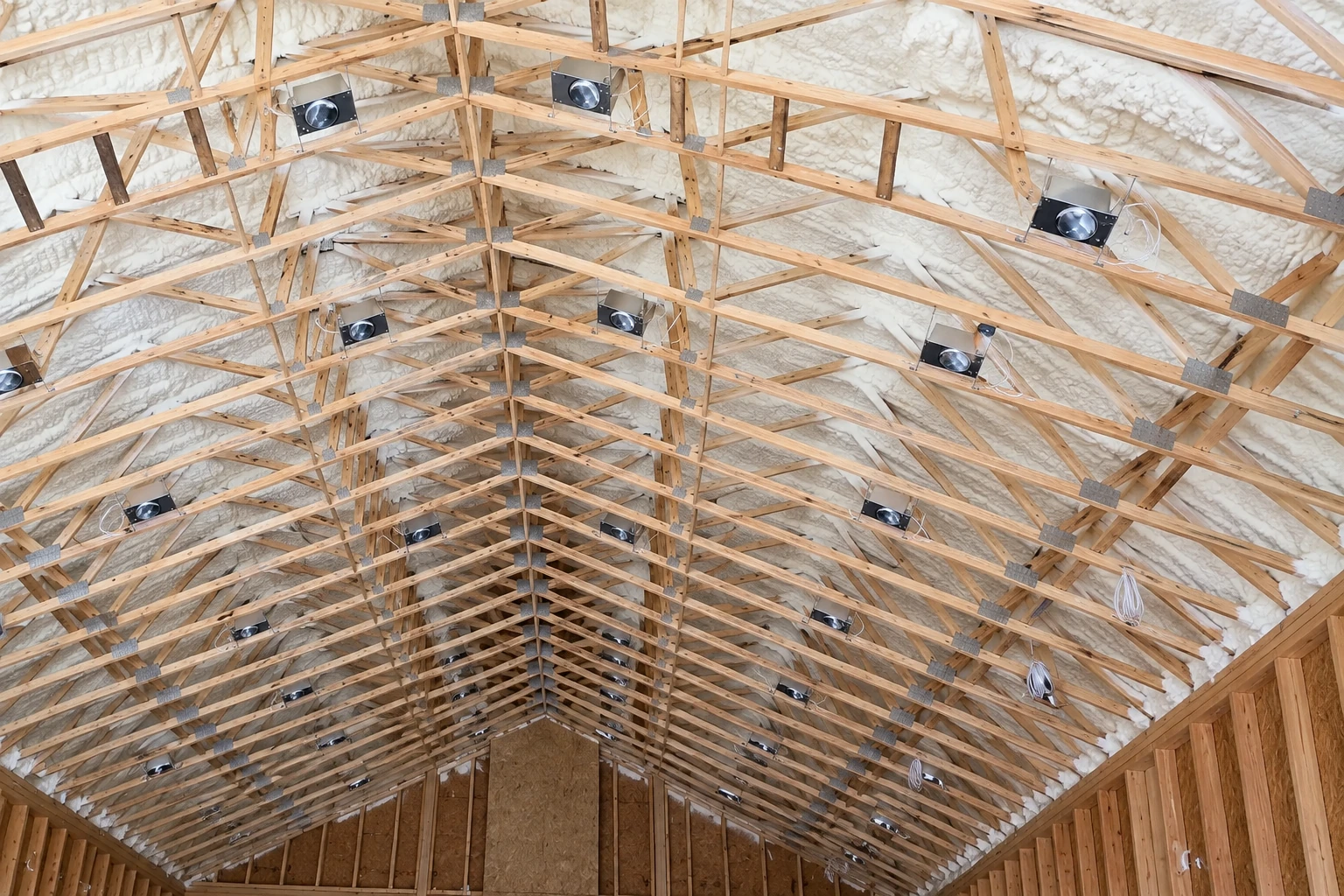
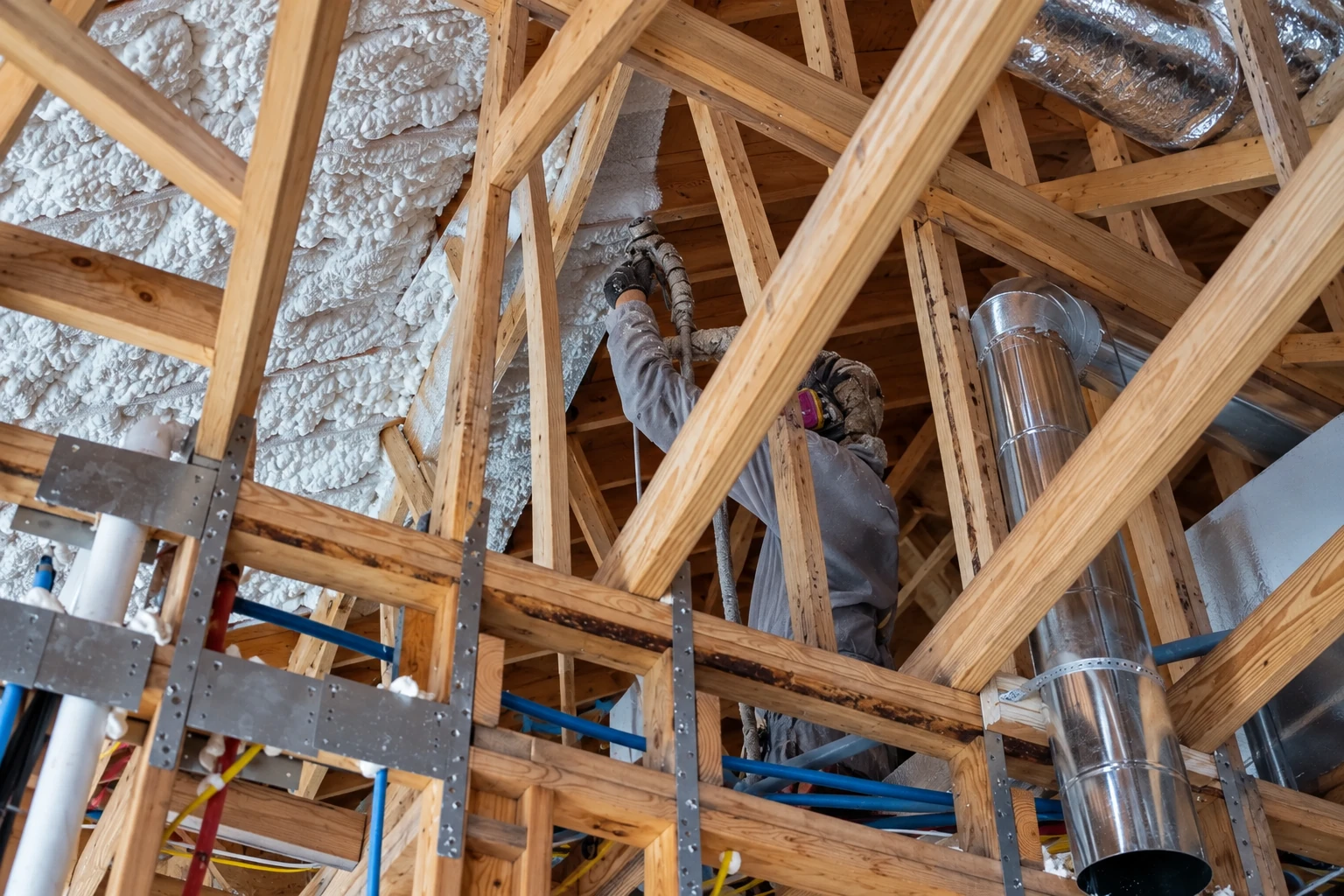
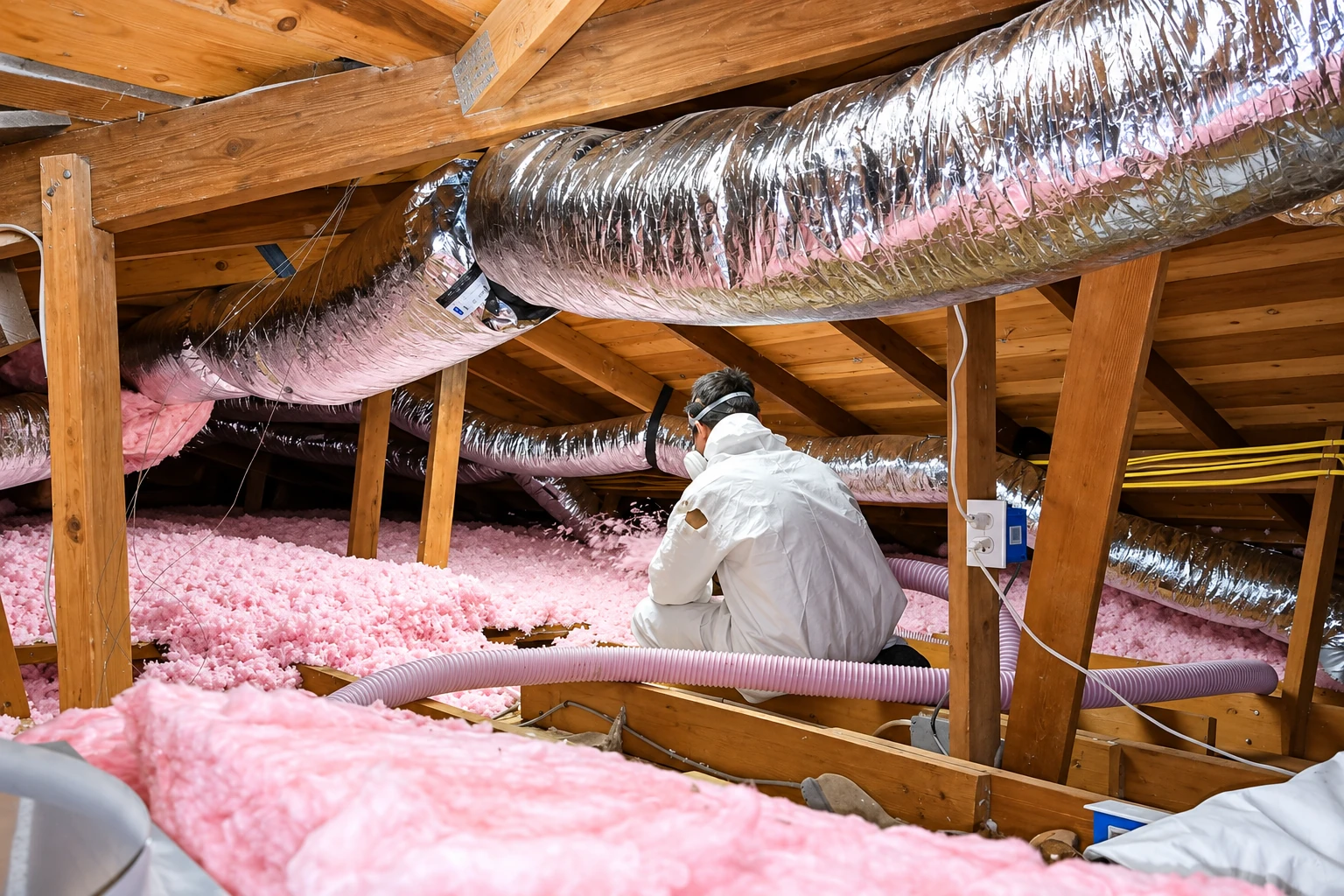
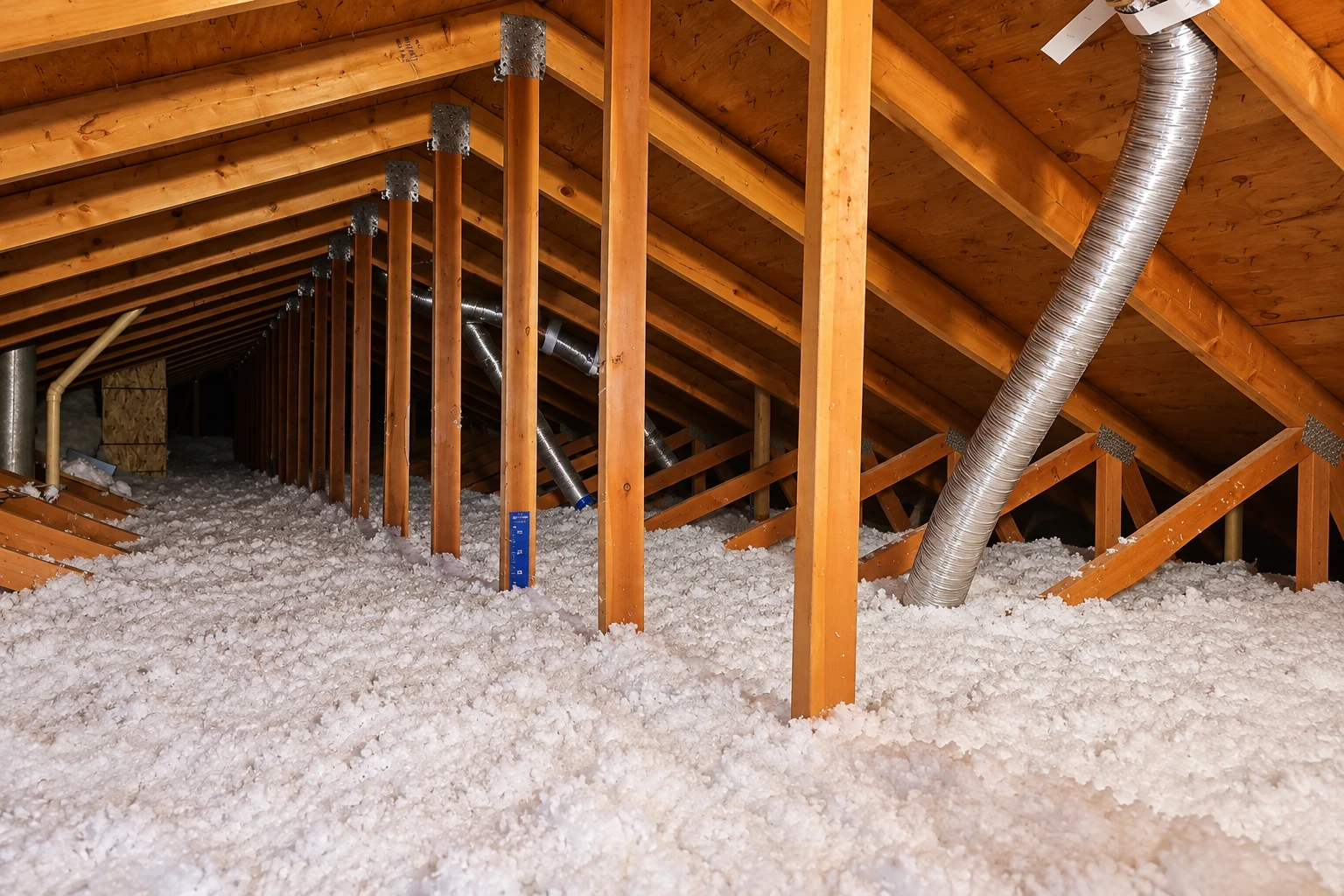
- Fully licensed and insured.
- Free in-person estimates.
- Replies within 1 business day.
Is spray foam the right insulation for your house?
Spray foam insulation is foam we spray onto attic rooflines, walls and crawl spaces in Wichita Falls homes, where it expands and cures in place to slow heat and close the gaps that let air through. It comes in two kinds, open-cell and closed-cell, and you choose between them by how each one handles air and moisture in the spot you're doing.
Most folks call me because the upstairs won't cool down, the room over the garage is miserable, or they just bought an older house and have no idea what's in the attic. The price moves with how many square feet we're covering, which foam you pick and how much old insulation, repair or sealing has to happen first. The schedule mostly turns on what the city says about permits and on when your family and pets can be away while the foam goes in and cures. After I've seen your house, you get all of that written up in plain words, with what I'd take care of first.
How do you know spray foam might help your house?
Upstairs won't cool down
If the upstairs bedrooms stay hot all evening while the AC runs, heat is usually coming down through the attic and air is slipping through gaps up there. Left alone, your AC works overtime every summer and the power bill shows it.
Drafts at outlets and trim
Air moving at outlets, baseboards or around the attic hatch usually means those gaps were never sealed, so whatever insulation is up there has a draft running right past it. The longer it goes, the more dust and outside air you pull into the house.
Ducts in a baking attic
When your ductwork runs through the attic and the upstairs vents blow lukewarm air in July, the ducts are losing cool air to the heat around them. Every summer you wait, you're paying to cool the attic along with the house.
How we handle spray foam insulation
Spray foam isn't right for every household, so before anything else I talk with you about who lives there, whether anyone has breathing or skin trouble, and where everyone and the pets will stay while it's sprayed and cures. Then we help you pick open-cell or closed-cell for the spot you're doing. On the job, we cover and protect your house, pull out any old insulation that's soaked or full of droppings, and fix the leaks, wet spots and old wiring I found, because foam sprayed over a problem just hides it. Then we spray, keeping the foam as full at the edges and corners as it is in the middle, since thin edges are where these jobs usually come up short.
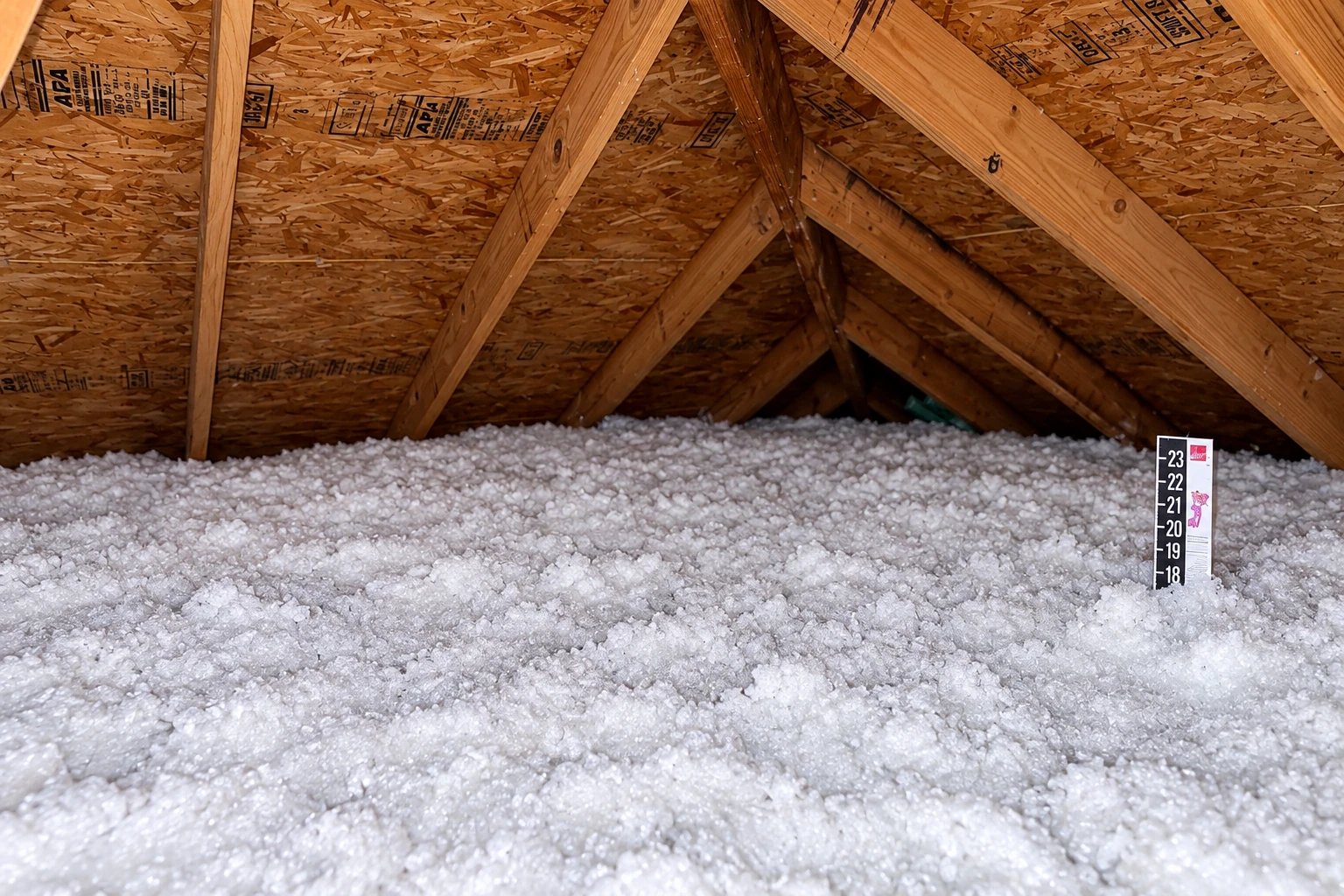
Foam costs more than loose fill, and it seals air while it insulates. If your ductwork lives in the attic, I usually lean toward foam on the roofline so the ducts sit in cooler air. If it doesn't, sealing the gaps and blowing loose fill over the attic floor, which is our blown-in insulation service, usually wins, and I'll tell you that straight. Both are part of our attic insulation work, so you get the answer that fits your house and not the one we'd rather sell.
Open-cell foam
Open-cell is lighter foam that's very good at stopping air, and it still lets water vapor pass through. It usually suits attic rooflines over ductwork and costs less than closed-cell.
Closed-cell foam
Closed-cell is dense foam that blocks moisture as well as air, and it costs more. It usually suits crawl spaces and metal buildings, where damp air is part of the trouble.
Sealing and blown-in instead
If the ducts aren't in the attic, or foam isn't a good fit for someone in the house, sealing the gaps and adding loose fill gets you most of the way. We'll lay it out next to the foam option so you can compare.
See if spray foam suits your house, and which kind
We get back to every message within one business day to set a time, and I come out myself to look things over. The estimate is free and done in person, and you get a written rundown of what I found and what I'd do, with no pressure to book.
(940) 298-1123Spray foam insulation in Wichita Falls: permits and what we see
Insulation work here falls under the city's building rules, because the City of Wichita Falls building inspections office issues permits and inspects construction to check that it meets building code. We check with the city before we start your spray foam job, and when it calls for a permit, we handle the paperwork and the inspections for you.
One HVAC sizing site lists Wichita County in climate zone 3A, which it calls warm and humid, and that matches what we feel in attics around here every summer. That humid air is why I take the moisture side of the foam choice seriously, and the long hot summers are why so many of our calls come from older houses with ductwork running through an attic that bakes. We're based in Wichita Falls and work across the area, and we see the same older homes, rooms over garages and metal shop buildings on jobs in Burkburnett and Iowa Park.
What happens when you call about spray foam in Wichita Falls?
Tell us what's bothering you
Call (940) 298-1123 or send a message through the form, and we'll find a time for me to come out. A quick note on which rooms bother you helps me know where to look first.
I look it over myself
I go through the attic, walls or crawl space and walk you through what I found and what I'd take care of first. You get it written up in plain words, so you can see what's driving the cost before you decide anything.
We prep, repair and seal
Once you say go, we check on permits with the city, cover and protect your house, and handle the repairs and sealing. You'll already know when everyone and the pets need to be out, because we set that together.
Spray, then walk it together
We spray the foam and then walk the finished job with you. I'll show you what we did and where the foam is, so you understand your house a little better when we leave.
Frequently asked questions
How long does it take before we can go back inside after spray foam insulation?
Federal safety guidance says everyone in the house, pets included, should move out while the foam goes in and stay out for at least 24 hours. The safe re-entry time, when you can come back, varies with the product, the house and who lives there, so we set it with you ahead of time and you can line up a place to stay.
What is the best type of spray foam for a frame wall?
In a frame wall, the choice turns on drying, because closed-cell foam is a vapor retarder at typical thicknesses and keeps the wall from drying well to the outside. Open-cell stops air very well but lets water vapor through. A federal spray foam guide says to talk that drying limit through with the installer before choosing closed-cell for a frame wall, and that's a conversation we have at the estimate.
Is spray foam a good idea if someone in the house has asthma or allergies?
It might not be, and that's worth settling before you book. Federal safety guidance says people with a history of skin conditions, respiratory allergies, asthma or an earlier reaction to isocyanates, a chemical used in spray foam, should review the product information carefully and, if needed, look at other insulation. If that's your household, we'll go over the maker's product information with you and price out sealing and loose fill too.
How much does spray foam insulation cost in Wichita Falls?
Spray foam is priced on how many square feet we're covering, how thick it goes on and which foam you choose, with closed-cell costing more than open-cell. Pulling out soaked or dirty old insulation, fixing leaks or wiring and working in tight crawl spaces add to it, while doing one area at a time keeps it smaller. Each of those is spelled out in your written estimate.
Does spray foam insulation need to be covered after it's installed?
A spray foam trade group recommends covering foam inside a building with an approved thermal barrier, ignition barrier or other approved barrier material as soon as possible after it goes in. Those are layers that protect the foam from fire, and what fits depends on where the foam is, so we go over it for your spot at the estimate.
Is spray foam safe once it has cured?
Once it's sprayed and cured, spray foam is considered relatively inert, though some situations can still pose risks. The one to know about is later work near it, because heating or grinding cured foam can give off toxic emissions, so a plumber, electrician or anyone else working up there should use other methods. I'll point out where the foam is when we walk the job so you can tell them.
Wichita Falls, TX
Talk through your spray foam job
Have the area you want done, how the walls are built and any asthma or allergy concerns handy when you call, so I can bring the right product information to the visit.